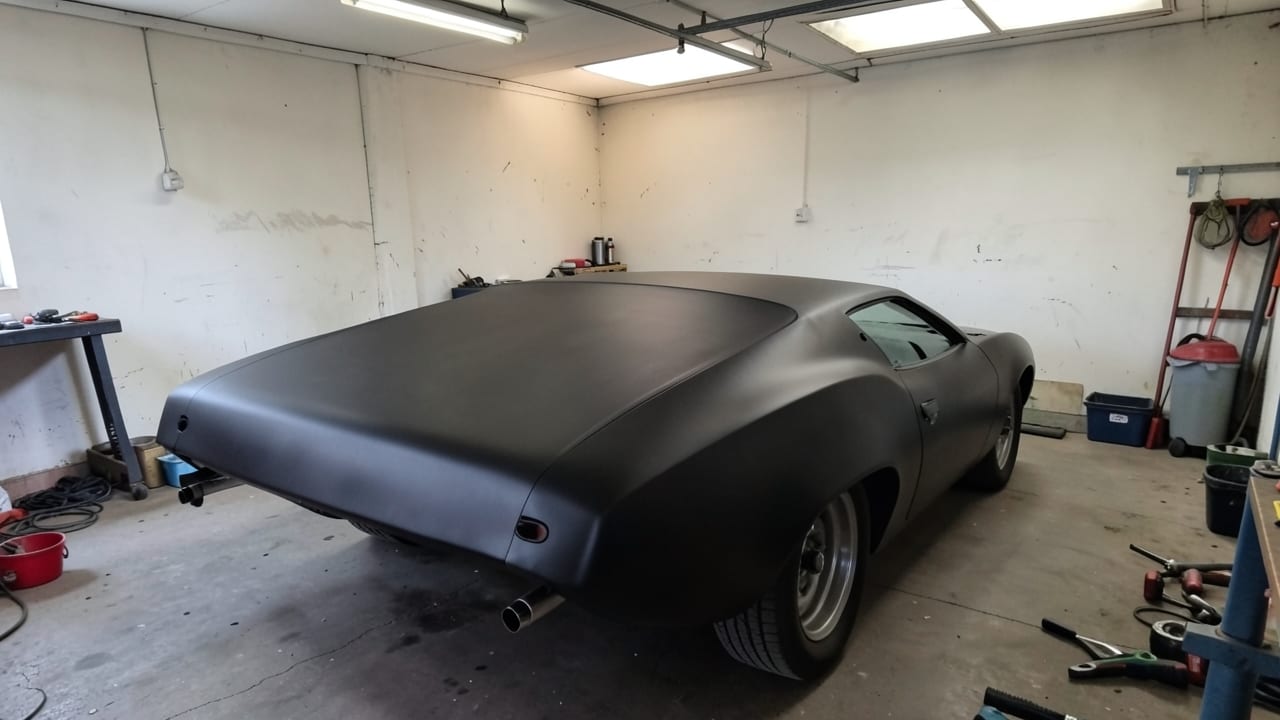
Vinyl Wrap Installation
Professional application of vinyl wraps to protect or customize vehicle surfaces.
Vinyl wrap installation in Houston transforms your vehicle’s exterior with a customizable, durable film that protects against scratches and UV damage. This process covers paint, metal, or plastic surfaces with a removable layer, ideal for changing colors or adding a sleek finish while maintaining resale value.
Proper prep and application ensure long-lasting results tailored to Houston’s climate and road conditions.
We also handle Acid Rain Etch Removal and Water Spot Removal for Houston vehicles.
When vinyl wrap installation helps most
Vinyl wrap installation is especially useful for vehicles exposed to Houston’s harsh sun, salt air, and frequent road debris. The wrap’s UV-resistant properties help prevent fading and cracking, while its protective layer guards against minor scratches and rock chips.
Owners looking to customize their vehicle’s appearance without permanent paint changes often choose this option.
The service also benefits vehicles that need temporary protection during moves, off-roading trips, or while waiting for a full paint job. Since the wrap is removable, it’s a flexible solution for those who want to change their vehicle’s look without long-term commitment.
Signs Your Vehicle Needs Vinyl Wrap Installation
- Paint shows dullness or haziness after washing, indicating fine scratches or contamination buildup.
- Water beads unevenly or spreads instead of rolling off, signaling lost protective layers.
- Fine swirl marks appear under direct sunlight or when inspected with a flashlight at an angle.
- You want a temporary color change or added protection before a permanent paint job.
What affects vinyl wrap pricing and timing
Pricing for vinyl wrap installation depends on the vehicle’s size, the complexity of the design, and the type of vinyl used. Larger vehicles or intricate patterns require more material and labor, increasing costs. The quality of the vinyl—such as matte, gloss, or chrome finishes—also impacts the final price.
Timing varies based on prep work, including cleaning, decontamination, and paint correction if needed. A standard installation typically takes 3–7 days, depending on the vehicle’s condition and the wrap’s detail level. Houston’s humidity and temperature can also affect drying and curing times.
| Factor | Impact on Pricing/Timing |
|---|---|
| Vehicle Size | Larger vehicles (SUVs, trucks) take longer and cost more than sedans. |
| Design Complexity | Intricate patterns or multi-color wraps increase labor and material costs. |
| Prep Work Needed | Additional steps like paint correction add time and cost if swirl marks or contaminants are present. |
| Vinyl Quality | Premium finishes (matte, chrome) cost more than standard gloss vinyl. |
| Weather Conditions | Houston’s humidity can slow drying; ideal conditions speed up curing. |
Preparation matters: why it’s not just about the wrap
Before applying the vinyl, thorough prep ensures the wrap adheres smoothly and lasts longer. This includes a foam pre-wash to remove brake dust and grime, followed by chemical decontamination to strip embedded contaminants like tar and brake dust. Skipping these steps can lead to premature wear or uneven application.
A clay bar treatment smooths the paint surface, while paint inspection and correction address swirl marks or scratches. These steps are critical because coating over imperfections locks them in permanently. A final wipe with isopropyl alcohol removes any residue, ensuring the wrap bonds properly to the clear coat.
Applying vinyl wrap over uncleaned or improperly prepped paint can cause bonding failures, leading to peeling or uneven wear. Always confirm prep steps—like iron removal and clay bar treatment—are included in your service.
How vinyl wrap installation works
- 1Foam Pre-Wash and Wheel Cleaning
The vehicle undergoes a foam wash to remove loose dirt, followed by a separate wheel-and-tire cleaning pass. Different mitts are used for paint and wheels to prevent brake dust from scratching the surface during prep.
- 2Chemical Decontamination
Iron remover strips embedded brake-dust particles, and tar/bug remover lifts road residue. These chemicals are applied before any mechanical contact to ensure contaminants below the surface are removed.
- 3Clay Bar Treatment and Paint Correction
A clay bar or mitt smooths the paint by pulling out bonded contaminants like overspray or industrial fallout. Raking light is used to inspect for swirl marks, which are corrected with a polish before coating.
- 4Panel Wipe-Down and Coating Application
Every panel is wiped with isopropyl alcohol to remove polish residue, then the vinyl wrap is applied panel by panel in a dust-free space. The vehicle is left undisturbed during the cure period to avoid water exposure or premature handling.
- 5Curing and Post-Installation Care
The wrap cures at controlled humidity and temperature. For the first few weeks, avoid automatic car washes, direct sun exposure, and harsh chemicals to ensure the finish sets properly and lasts longer.
Frequently asked questions
Will vinyl wrap hide existing scratches or swirl marks on my vehicle?
No, vinyl wrap seals the surface it’s applied to, including scratches or swirl marks. These imperfections become permanent under the wrap unless corrected during the prep phase. Always confirm paint correction is included if your vehicle has visible damage.
How long does the vinyl wrap installation process take?
Installation typically takes 3–7 days, depending on the vehicle’s size, the wrap’s complexity, and prep work needed. Houston’s humidity can extend drying times, so schedules may adjust accordingly.
Can I drive my car immediately after the wrap is applied?
You should avoid driving for at least 24–48 hours to allow the wrap to fully adhere and cure. Follow your technician’s instructions for the specific cure period, as rushing can cause peeling or uneven wear.
What maintenance is required to keep the vinyl wrap looking new?
Use a pH-neutral soap and two-bucket wash method to avoid fine scratching. Rinse off bird droppings, sap, or bug splatter within 48 hours to prevent etching. Avoid automatic car washes with spinning brushes during the first few weeks.
Where Houston sits, and what the Census lists nearby
Houston sits in Texas, and the closest places listed in the U.S. Census Gazetteer are West University Place (5.5 miles southwest), Hilshire Village (6 miles west), Southside Place (6 miles southwest), Hunters Creek Village (6.6 miles west).
Within 25 miles of Houston the same source lists 48 distinct incorporated places and census-designated places.
Those figures matter for vinyl wrap installation because they are straight-line distances between Census coordinate points: road mileage between Houston and West University Place runs longer than the 5.5 miles shown, which is why quotes for the same job differ between towns that look close together on a map.
Source: U.S. Census Bureau Gazetteer.
See Cloverleaf, TX for more, or check out our complete Houston service list in detail for our complete lineup.
Ready to get started?
Talk to a local ceramic coating pro in Houston — get a written quote.
Other Ceramic Coating Services in Houston
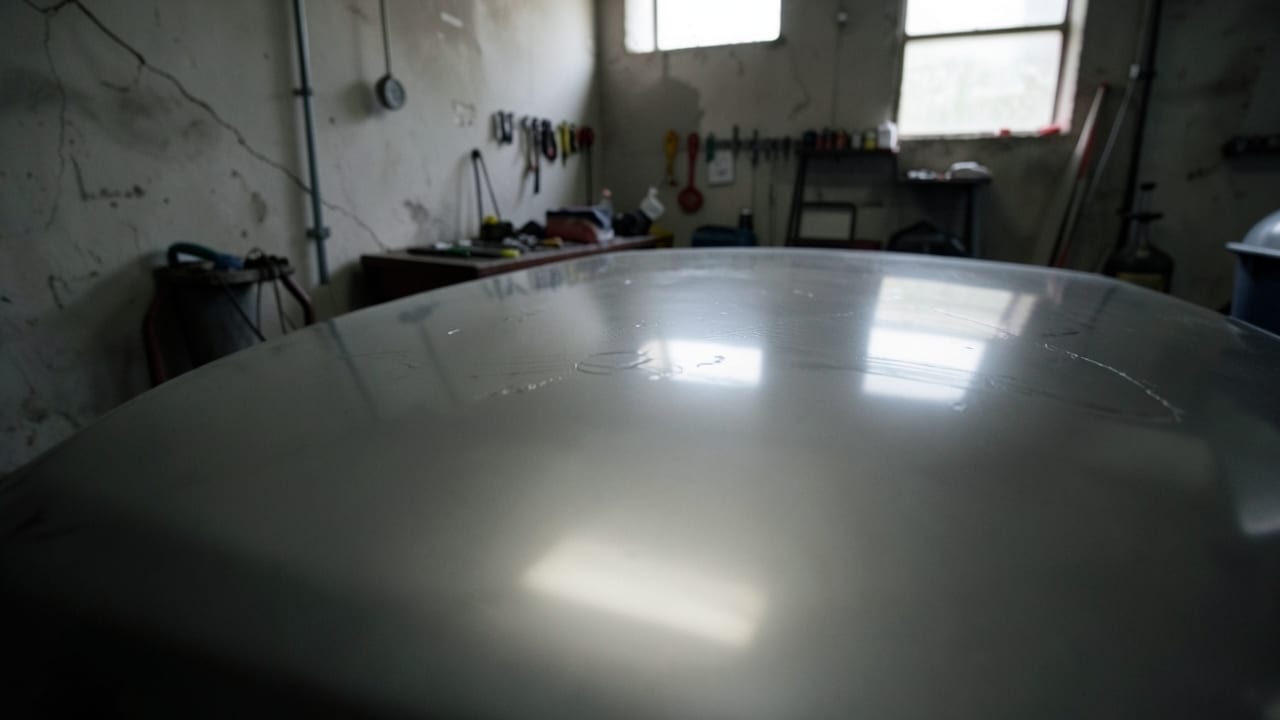
Acid Rain Etch Removal in Houston, TX
Professional removal of acid rain etching from vehicle surfaces using ceramic coatings and paint correction.
Learn More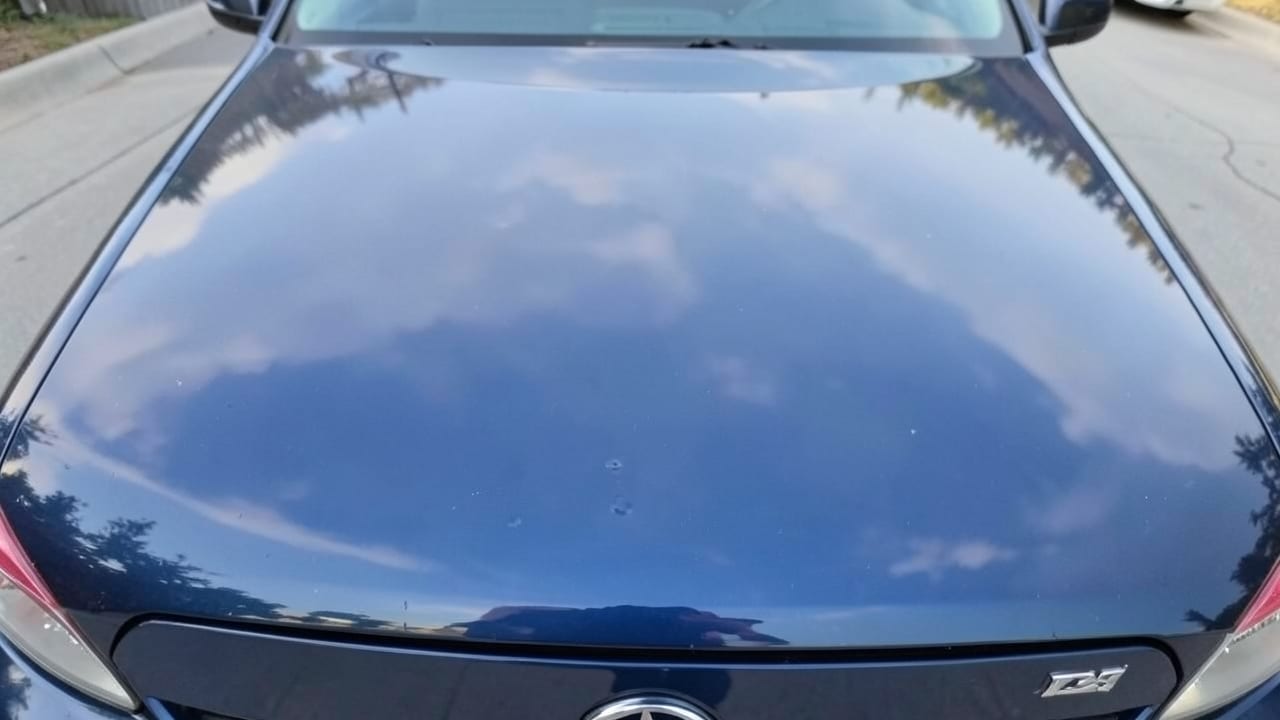
Water Spot Removal in Houston, TX
Professional removal of water spots from ceramic-coated or painted surfaces to restore appearance.
Learn More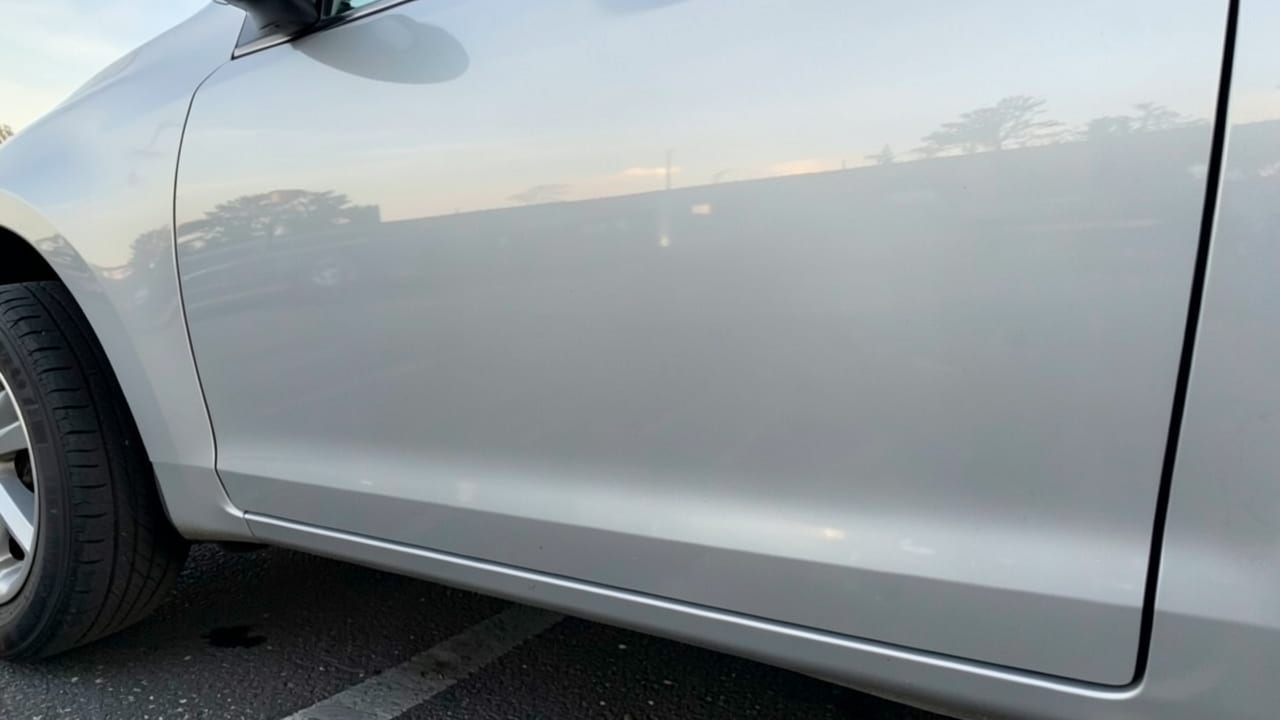
Road Tar Removal in Houston, TX
Professional removal of road tar from vehicle paint using safe, ceramic-friendly methods.
Learn More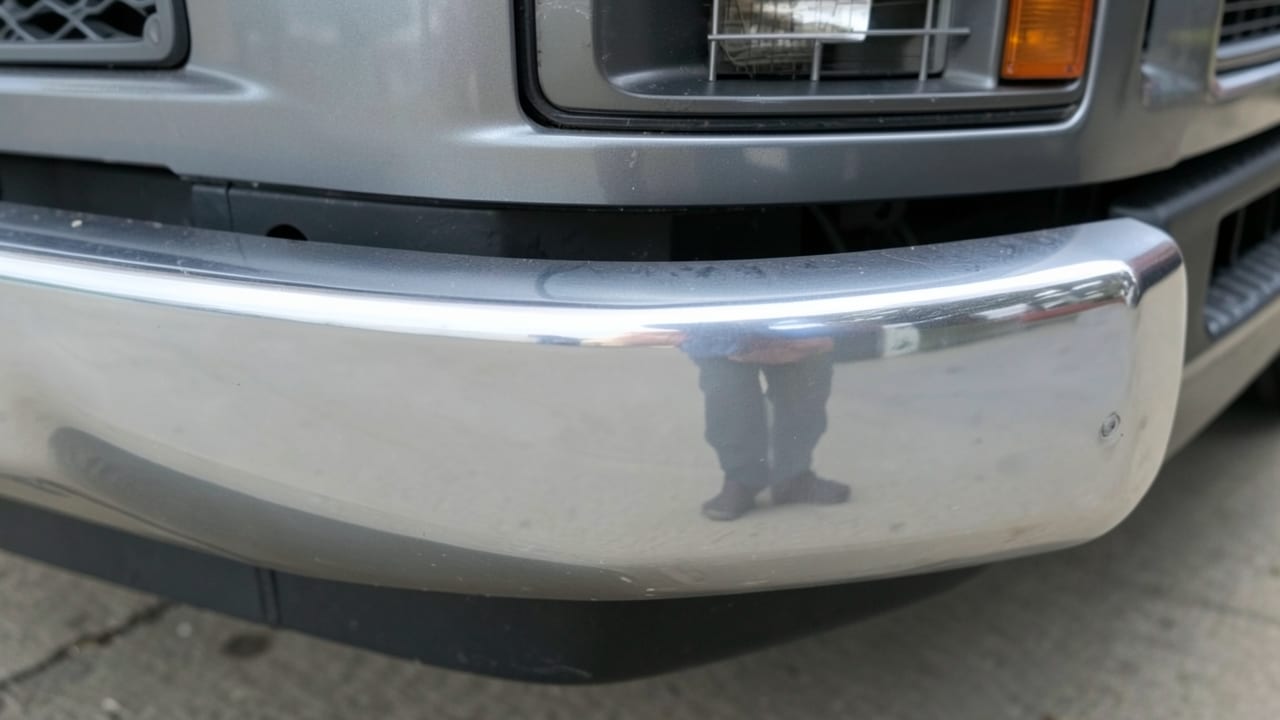
Bug Splatter Removal in Houston, TX
Professional removal of insect residue from vehicle paint without damaging the ceramic coating or finish.
Learn More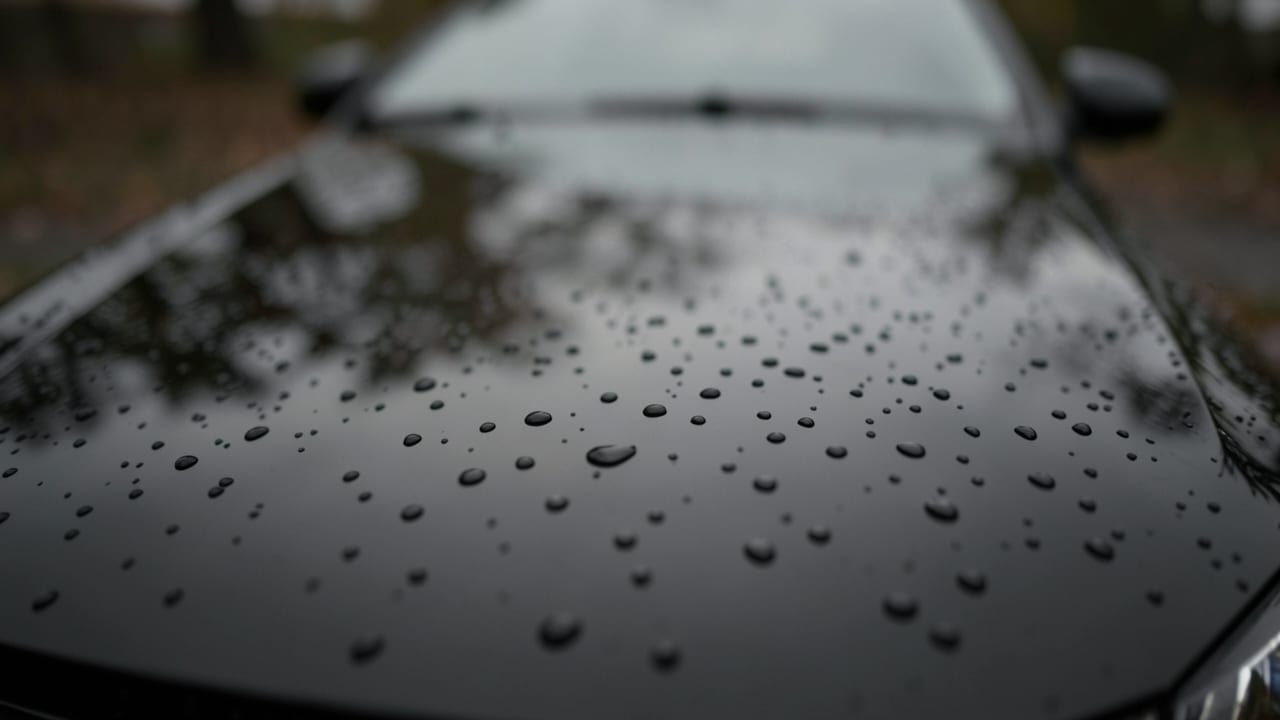
Pre-Winter Paint Sealant Application in Houston, TX
Professional application of ceramic-based sealant to protect vehicle paint before winter.
Learn More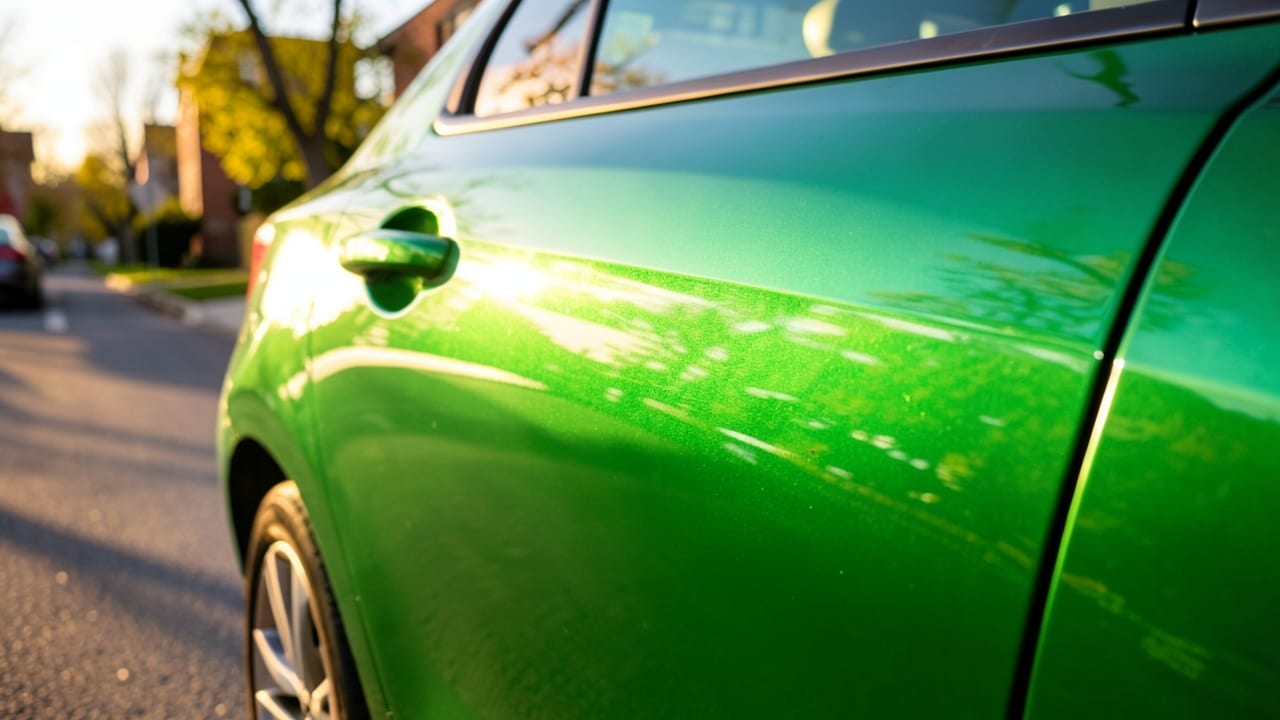
Spring Paint Rejuvenation in Houston, TX
Ceramic coating and paint correction to restore and protect vehicle surfaces.
Learn MoreCommon Questions About Ceramic Coating in Houston
Everything you need to know about ceramic coating services in Houston
How much does Vinyl Wrap Installation typically cost in Houston, TX?
Does intense UV and dust in Houston, TX change coating maintenance?
What does proper paint prep before a ceramic coating actually involve?
How should a coated vehicle be washed after the coating is applied?
Will a ceramic coating stop rock chips or scratches?
What's the actual difference between wax, paint sealant, and ceramic coating?
Need Ceramic Coating in Houston?
Get a written quote from our Houston crew.
⏰ We answer your call • Serving all of Houston and surrounding areas