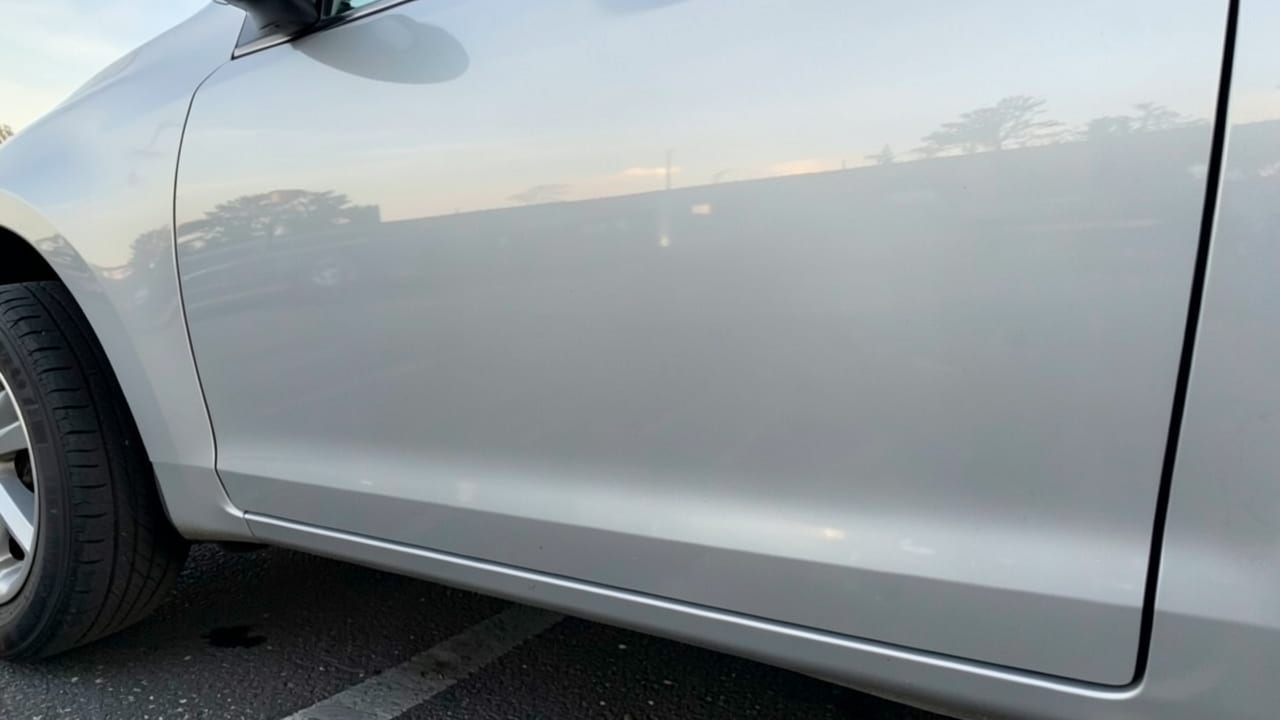
Road Tar Removal
Professional removal of road tar from vehicle paint using safe, ceramic-friendly methods.
Road tar removal in Houston, TX, targets stubborn asphalt and adhesive residues that cling to vehicle paint, often from parking near construction zones or busy roads. Unlike regular washing, this service uses targeted chemicals and gentle techniques to lift embedded contaminants without damaging ceramic coatings or clear coats.
Houston’s humid climate and frequent tree sap can make these spots harder to remove over time, requiring precise methods to restore a smooth finish.
We also handle Spring Paint Rejuvenation and Annual Ceramic Maintenance Wash for Houston vehicles.
Why road tar sticks—and how to spot it
Road tar and adhesive residues bond differently than dirt or sap. In Houston’s heat and humidity, tar can partially dissolve but leave a sticky film that attracts more grime, making it appear darker or greasier over time.
Tiny specks that survive a wash, especially on lighter paint, often signal embedded contaminants like rail dust or industrial fallout, not just surface dirt.
Look for spots that reappear after cleaning or leave a faint shadow when wiped. Orange or rust-colored specks behind the front wheels are usually brake dust particles, while tar often collects near wheel wells or undercarriages.
These signs mean the contaminant has bonded below the surface and needs targeted treatment to avoid scratching the paint during removal.
Signs You Need Road Tar Removal
- Spots that reappear after washing or parking in the same location.
- Paint that feels bumpy or gritty to the touch, even after a thorough wash.
- Orange/rust-colored specks concentrated behind front wheels (brake dust).
- Dark, sticky residues near wheel wells or undercarriages (tar or adhesive).
- Faint shadows or haze where the spot was, indicating embedded residue.
What affects the service and results
The type of contaminant dictates the chemicals and tools used. Tar and adhesive require different dwell times and mechanical lifts than brake dust or tree sap. Surface condition also matters: older paint or existing swirl marks may need extra prep to ensure the coating adheres evenly.
Houston’s climate—high heat, humidity, and frequent rain—can accelerate contaminant bonding, making timely removal more effective.
Preventing recurrence involves regular maintenance, like parking away from sap-producing trees or industrial areas. A spray sealant applied after removal helps repel future contaminants, but it won’t stop them entirely. The goal is to restore the paint’s protection, not create a barrier that traps new debris.
| Contaminant Type | Typical Dwell Time | Tools/Products Used | Houston-Specific Risk |
|---|---|---|---|
| Road tar/adhesive | 10–20 minutes | Specialized tar remover + clay bar | Construction zones and highway parking lots |
| Brake dust (orange specks) | 5–10 minutes | Iron remover + microfiber applicator | Heavy traffic and stop-and-go driving |
| Tree sap | 15–30 minutes | Citrus-based cleaner + clay mitt | Oak, pecan, or cedar trees common in Houston |
| Industrial fallout | 5–15 minutes | pH-balanced cleaner + lubricant | Near refineries or shipping ports |
How road tar removal works
This process safely dissolves and lifts embedded contaminants without damaging the paint or ceramic coating.
- 1Contaminant Identification
The affected area is inspected under direct light to determine the type of contaminant—tar, brake dust, sap, or adhesive—since each requires a specific chemical treatment.
- 2Targeted Chemical Treatment
A product formulated for the identified contaminant is applied and allowed to dwell, breaking down the bond between the residue and paint without scrubbing, which can cause scratches.
- 3Mechanical Lift (If Needed)
A clay bar or mitt, lubricated to prevent grit transfer, is gently worked over the treated area to lift remaining residue, ensuring no abrasion occurs.
- 4Rinse and Inspection
The area is rinsed clean, and the paint is inspected under direct light to confirm the contaminant is fully removed, as some residues may appear lighter indoors.
- 5Protective Follow-Up
A spray sealant or coating topper is applied to restore the paint’s protective layer, which may have been disturbed during the removal process.
Frequently asked questions
Will road tar removal damage my ceramic coating?
The process uses gentle chemicals and tools designed to lift contaminants without harming ceramic coatings. However, aggressive scrubbing or incorrect products can still cause issues, which is why proper technique and product selection matter.
How often should I have my car treated for road tar in Houston?
Frequency depends on exposure—vehicles parked near construction, highways, or sap-producing trees may need treatment every few months. Regular washing and spot-treating new spots can reduce how often full removal is needed.
Can I remove road tar myself, or should I hire a professional?
DIY kits exist, but they often lack the precise chemistry or tools needed for deep-seated contaminants. Professionals use targeted products and techniques to avoid paint damage, especially on ceramic-coated surfaces.
Does road tar removal include prep work like clay barring or iron removal?
A thorough service includes identifying and treating all embedded contaminants, which may involve clay barring, iron removal, or other steps. Skipping these can leave residue under the coating, reducing its effectiveness.
Where Houston sits, and what the Census lists nearby
Houston sits in Texas, and the closest places listed in the U.S. Census Gazetteer are West University Place (5.5 miles southwest), Hilshire Village (6 miles west), Southside Place (6 miles southwest), Hunters Creek Village (6.6 miles west).
Within 25 miles of Houston the same source lists 48 distinct incorporated places and census-designated places.
Those figures matter for road tar removal because they are straight-line distances between Census coordinate points: road mileage between Houston and West University Place runs longer than the 5.5 miles shown, which is why quotes for the same job differ between towns that look close together on a map.
Source: U.S. Census Bureau Gazetteer.
See League City, TX for more, or see what's included in our Houston service before booking for our complete lineup.
Ready to get started?
Talk to a local ceramic coating pro in Houston — get a written quote.
Other Ceramic Coating Services in Houston
Spring Paint Rejuvenation in Houston, TX
Ceramic coating and paint correction to restore and protect vehicle surfaces.
Learn More
Annual Ceramic Maintenance Wash in Houston, TX
Professional cleaning and reapplication of ceramic coatings to preserve paint protection.
Learn More
Pre-Event Showroom Gloss Enhancement in Houston, TX
Professional ceramic coating application to enhance vehicle paint gloss before events.
Learn More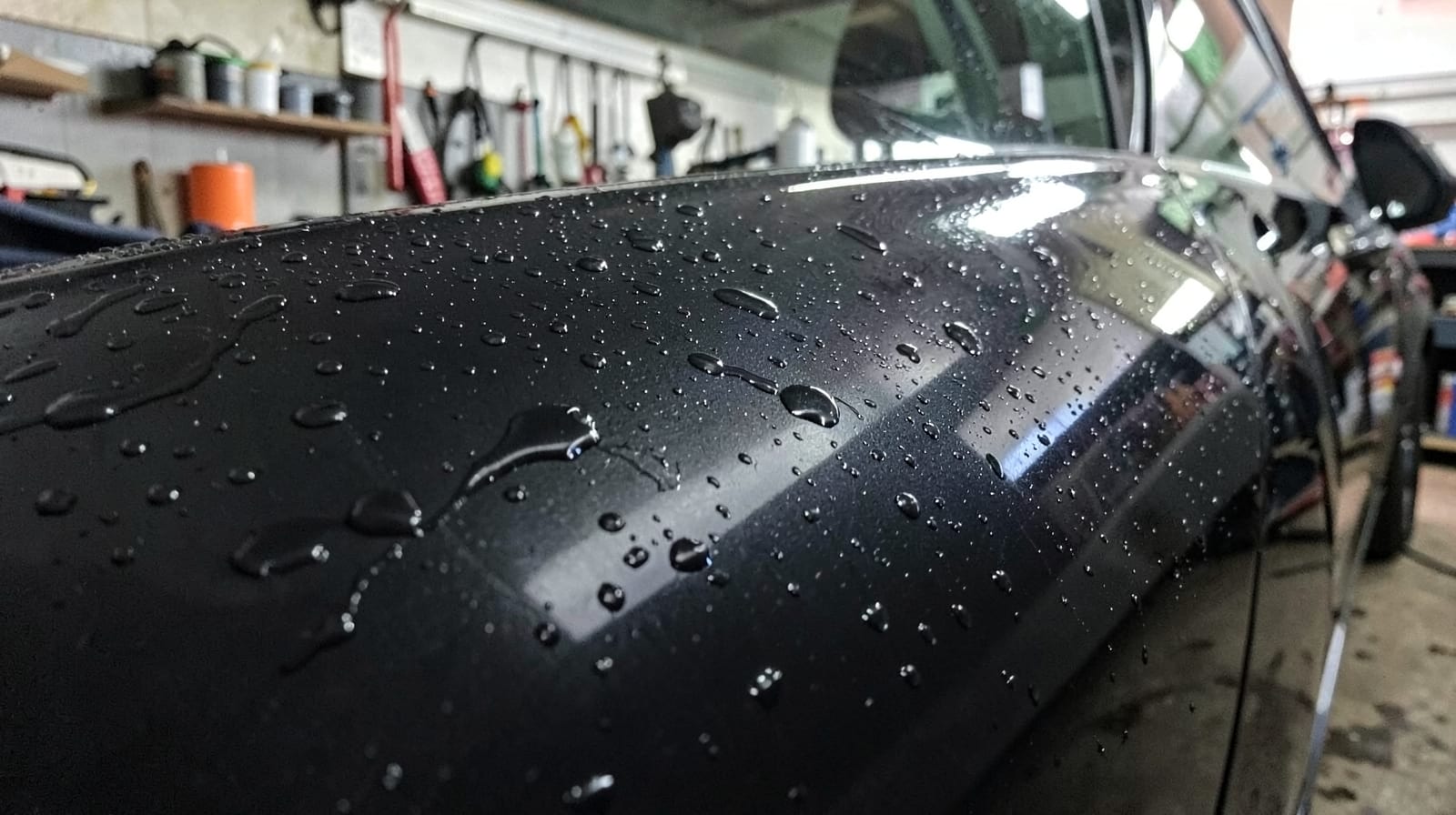
Full-Vehicle Ceramic Coating in Houston, TX
Professional nano-ceramic coating for vehicles in Houston, TX — a hard, semi-permanent SiO2 layer for deep gloss, strong hydrophobic protection, and easier washing.
Learn More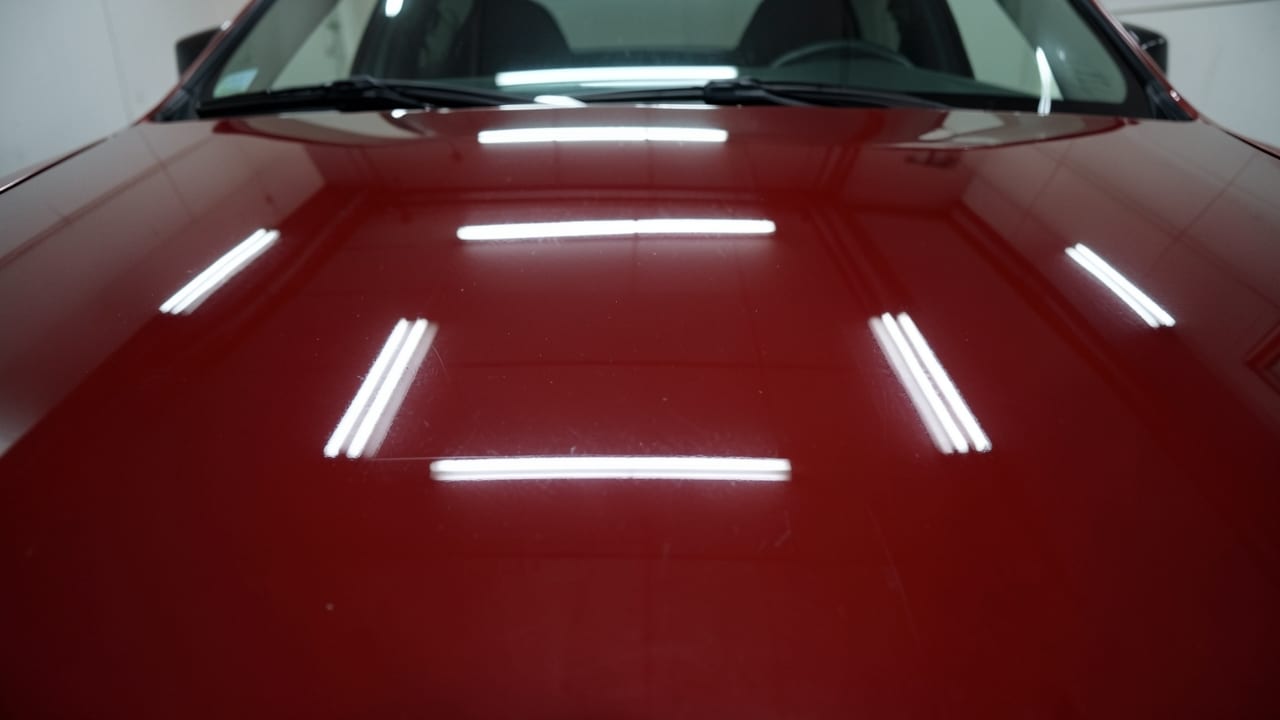
Paint Correction & Polishing in Houston, TX
Machine paint correction and polishing in Houston, TX — removes swirl marks, oxidation, and water spots, and is the mandatory first step before any ceramic coating.
Learn More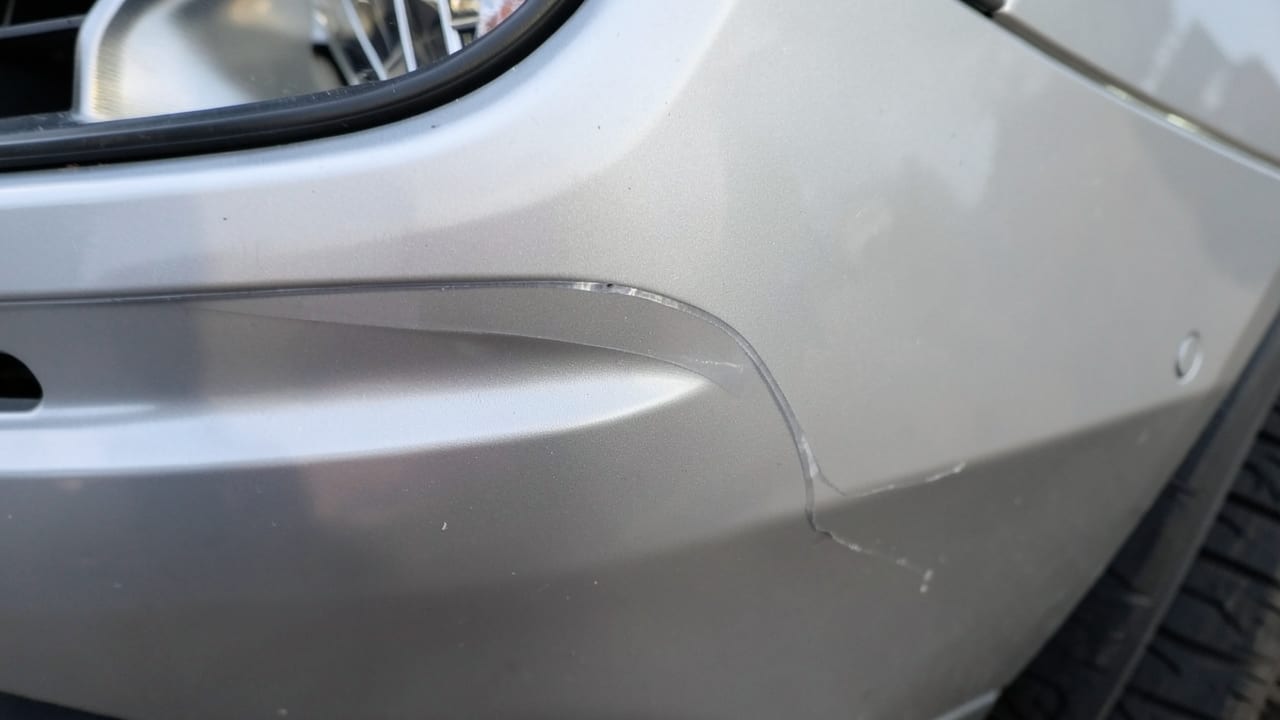
Paint Protection Film (PPF) Installation in Houston, TX
Self-healing clear PPF installation in Houston, TX for high-impact panels or a full-body wrap — real physical protection against rock chips and road debris.
Learn MoreCommon Questions About Ceramic Coating in Houston
Everything you need to know about ceramic coating services in Houston
How much does Road Tar Removal typically cost in Houston, TX?
Does intense UV and dust in Houston, TX change coating maintenance?
How long does a ceramic coating actually last in real-world use?
What is the difference between graphene and SiO2 ceramic coatings?
Does a ceramic coating need to be topped up over time?
Can a ceramic coating be applied over existing swirl marks or light scratches?
Need Ceramic Coating in Houston?
Get a written quote from our Houston crew.
⏰ We answer your call • Serving all of Houston and surrounding areas