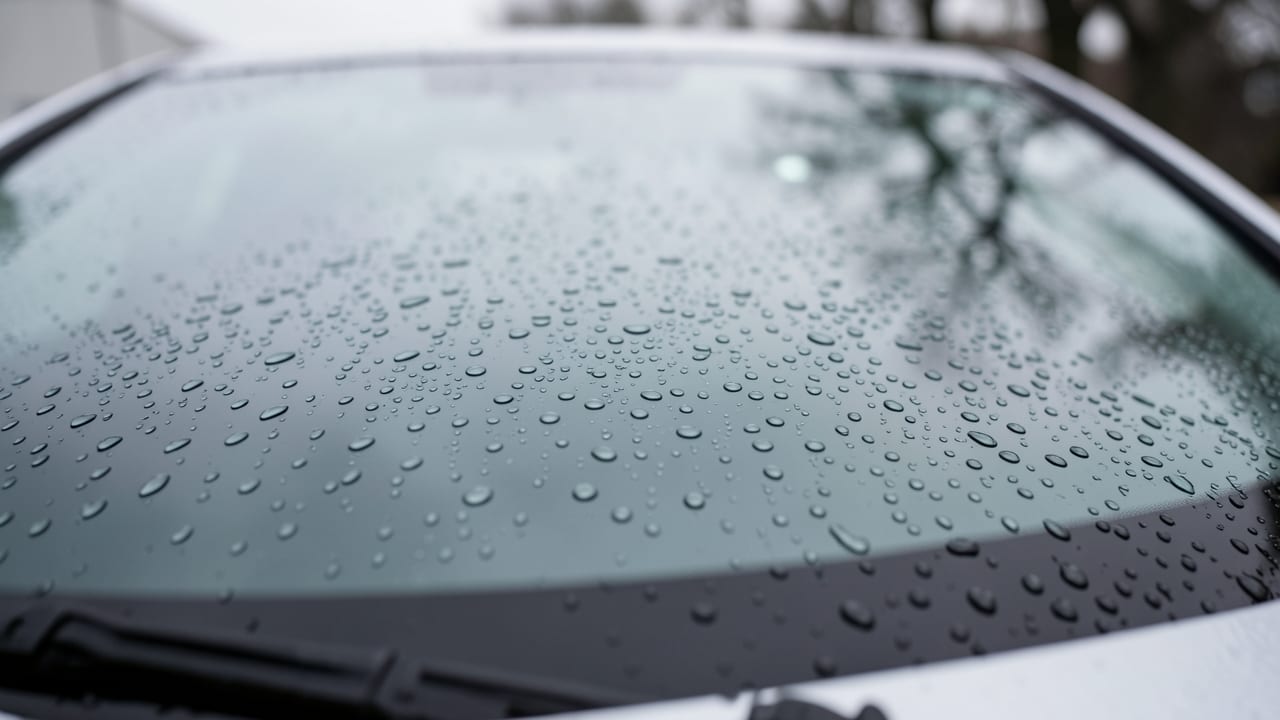
Glass Surface Hydrophobic Treatment
Applying a ceramic coating to glass surfaces for water repellency and easier cleaning.
In Houston’s humid climate, glass surfaces like windows, shower enclosures, and car windshields accumulate water spots, mineral deposits, and streaks faster than in drier regions. A glass surface hydrophobic treatment applies a ceramic coating to create a water-repellent barrier, causing water to bead and roll off effortlessly.
This service simplifies cleaning, reduces maintenance, and helps preserve clarity over time—ideal for homes where glass is exposed to frequent rain, heat, and hard water buildup.
We also handle Paint Protection Film (PPF) Installation and Ceramic Window Tint for Houston vehicles.
When is hydrophobic treatment needed?
Houston’s mix of humidity, hard water, and frequent rain accelerates mineral deposits and water spots on glass. If water spreads instead of beading, or if streaks linger after wiping, the hydrophobic layer has likely worn off.
Similarly, dull or hazy glass after cleaning often signals fine scratches or contamination beneath the surface. These signs indicate the coating’s protective properties are diminishing and treatment can help restore them.
The treatment isn’t just for visible dirt—it also addresses microscopic imperfections. A smooth, glass-like finish after a clay bar treatment confirms contaminants like brake dust or industrial fallout have been removed. Without this step, coatings can trap these particles, reducing longevity.
Houston’s climate also means coatings cure differently in heat and humidity, so proper prep ensures even adhesion and a more durable finish.
Signs Your Glass Needs Treatment
- Water beads poorly or spreads into a flat sheet instead of rolling off.
- Mineral deposits (white streaks) form quickly after rain or cleaning.
- Glass feels rough or gritty when touched lightly with clean fingertips.
- Dullness or haze appears after washing, even with glass cleaner.
- Old coatings show visible wear, like peeling or uneven texture.
What affects pricing and results?
The scope of treatment—whether covering windows, shower enclosures, or both—directly impacts cost. Larger or harder-to-reach surfaces may require additional labor or specialized tools. The type of ceramic coating also varies: single-layer formulas offer basic protection, while multi-layer or graphene-enhanced coatings provide longer-lasting hydrophobicity.
However, pricing isn’t just about the product—surface condition plays a role too.
Glass with deep scratches, embedded contaminants, or existing coatings may need extra prep work, like chemical decontamination or clay bar treatment, before the hydrophobic layer can adhere properly. Houston’s climate also means coatings cure under specific humidity and temperature ranges; applying outside these conditions can affect durability.
Always confirm whether the quote includes full prep or just the coating application.
| Factor | Typical Impact on Cost/Outcome |
|---|---|
| Surface area covered (e.g., windows vs. shower enclosures) | Larger areas increase labor time and material use. |
| Existing damage (scratches, mineral buildup) | May require additional prep steps, raising cost. |
| Coating tier (single-layer vs. multi-layer) | Higher-tier coatings last longer but cost more upfront. |
| Surface condition (clean vs. contaminated) | Dirty or scratched glass needs extra cleaning, affecting timing. |
| Houston’s humidity/temperature during application | Ideal curing conditions (50–80% humidity, 60–85°F) ensure even adhesion. |
Before and after: what to expect
Before treatment, glass may appear streaky, dull, or prone to water spots. After the ceramic coating is applied and fully cured, water should bead and roll off instantly, reducing streaks and mineral buildup.
The surface will also feel smoother to the touch, with fewer visible imperfections. However, results depend on the surface’s initial condition—deep scratches or heavy contamination won’t be fully masked by the coating alone.
The treatment doesn’t eliminate the need for cleaning, but it makes maintenance far easier. Wiping surfaces with a microfiber cloth after rain or showering will remove water without leaving residue.
In Houston’s climate, this means less frequent deep cleaning and longer intervals between treatments, as the coating resists hard water and humidity better than untreated glass.
Avoid washing treated glass with harsh chemicals or abrasive tools during the first 72 hours—this can disrupt curing. Park vehicles or cover glass surfaces in shade for the first few days to prevent flash-curing from direct sun. Use pH-neutral cleaners and rinse off bird droppings or sap within 48 hours to prevent etching.
How glass surface hydrophobic treatment works
- 1Surface Prep and Cleaning
The glass is thoroughly cleaned with a foam wash and wheel cleaner (if applicable) to remove loose dirt and grime. A chemical decontamination step follows, using iron removers and tar/bug strippers to lift embedded contaminants like brake dust or industrial fallout that standard washing misses.
- 2Clay Bar Treatment
A lubricant is applied, and a clay bar is worked across the surface to pull out bonded contaminants, such as overspray or tree sap residue. The goal is to leave the glass physically smooth—any remaining bumps can interfere with the coating’s adhesion and longevity.
- 3Inspection and Correction
The surface is inspected under raking light for swirl marks or light scratches. If found, a correction polish is applied to these areas before coating, as applying the hydrophobic layer over imperfections locks them in permanently.
- 4Panel Wipe-Down and Coating
Every surface is wiped down with isopropyl alcohol to remove any polish or wax residue. The ceramic coating is then applied in a controlled environment with specific humidity and temperature settings, ensuring even coverage and proper curing.
- 5Curing and Protection
The treated glass is left undisturbed for the manufacturer-recommended cure time (typically 24–72 hours) before exposure to water or cleaning. During this period, avoiding rain, washing, or direct sun helps prevent water spots or uneven curing.
Frequently asked questions
How long does the hydrophobic effect last on glass in Houston’s climate?
The duration depends on the coating tier and surface condition, but most ceramic treatments last 1–3 years before needing reapplication. Houston’s humidity and hard water can accelerate wear, so regular light cleaning with a microfiber cloth helps extend the hydrophobic effect between treatments.
Will this treatment remove existing scratches or mineral deposits on my glass?
The coating itself won’t fill in deep scratches or heavy mineral buildup, but the prep process—including clay bar treatment and correction polish—addresses light imperfections. For stubborn deposits, a separate cleaning or polishing step may be needed before coating for optimal results.
Can I apply this treatment myself, or should I hire a professional?
While DIY kits exist, professional application ensures proper prep, coating thickness, and curing conditions—critical for durability. Houston’s climate demands precise humidity and temperature control during curing, which is harder to replicate at home without specialized equipment.
How soon after treatment can I use my shower or drive my car?
Most coatings require 24–72 hours of undisturbed curing before exposure to water. Check with your provider for the specific cure time, as rushing this step can lead to water spots or uneven adhesion, reducing the treatment’s effectiveness.
Where Houston sits, and what the Census lists nearby
Houston sits in Texas, and the closest places listed in the U.S. Census Gazetteer are West University Place (5.5 miles southwest), Hilshire Village (6 miles west), Southside Place (6 miles southwest), Hunters Creek Village (6.6 miles west).
Within 25 miles of Houston the same source lists 48 distinct incorporated places and census-designated places.
Those figures matter for glass surface hydrophobic treatment because they are straight-line distances between Census coordinate points: road mileage between Houston and West University Place runs longer than the 5.5 miles shown, which is why quotes for the same job differ between towns that look close together on a map.
Source: U.S. Census Bureau Gazetteer.
See League City, TX for more, or explore everything on offer in Houston side by side for our complete lineup.
Ready to get started?
Talk to a local ceramic coating pro in Houston — get a written quote.
Other Ceramic Coating Services in Houston
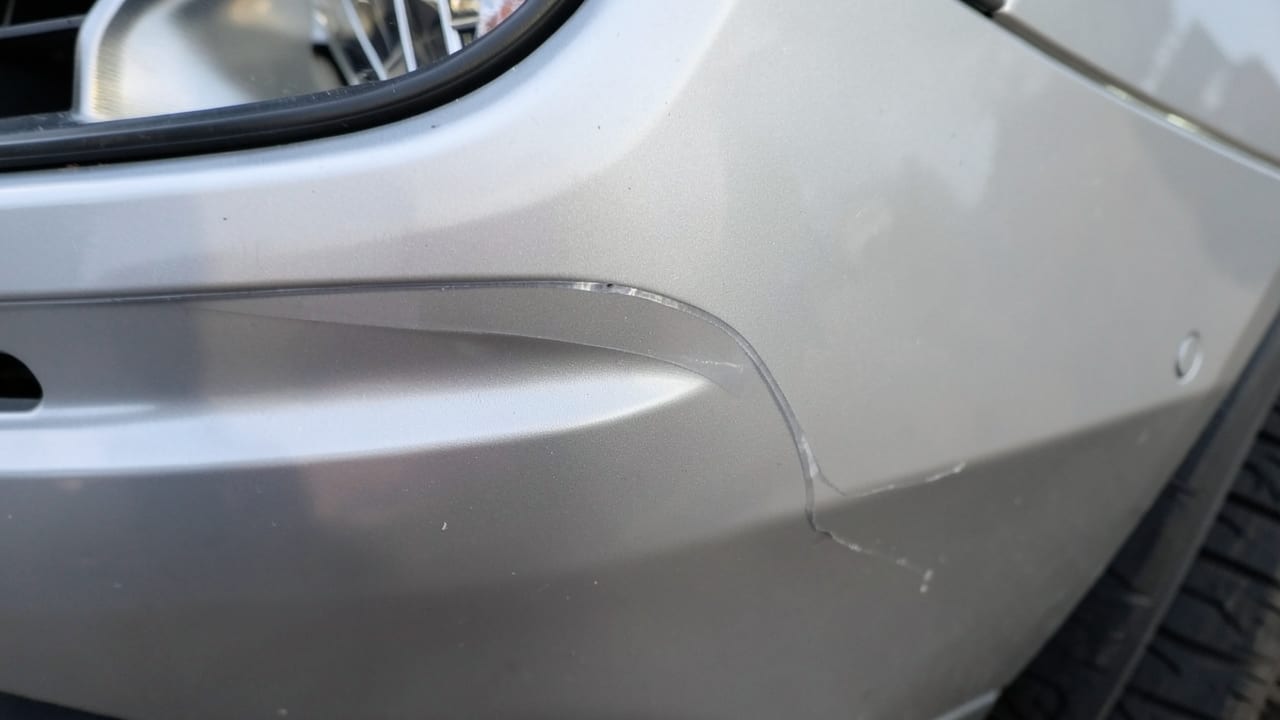
Paint Protection Film (PPF) Installation in Houston, TX
Self-healing clear PPF installation in Houston, TX for high-impact panels or a full-body wrap — real physical protection against rock chips and road debris.
Learn More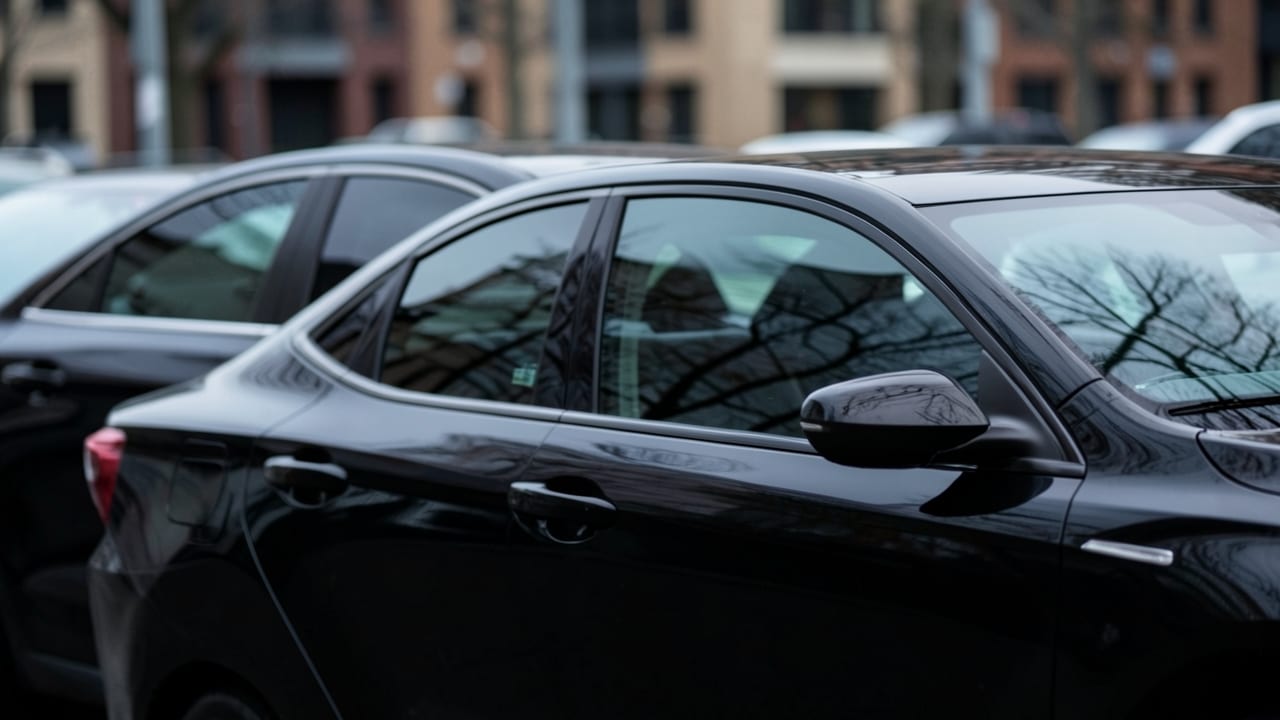
Ceramic Window Tint in Houston, TX
Nano-ceramic window tint in Houston, TX — rejects heat and blocks 99% of UV without the signal interference or fading of cheaper films.
Learn More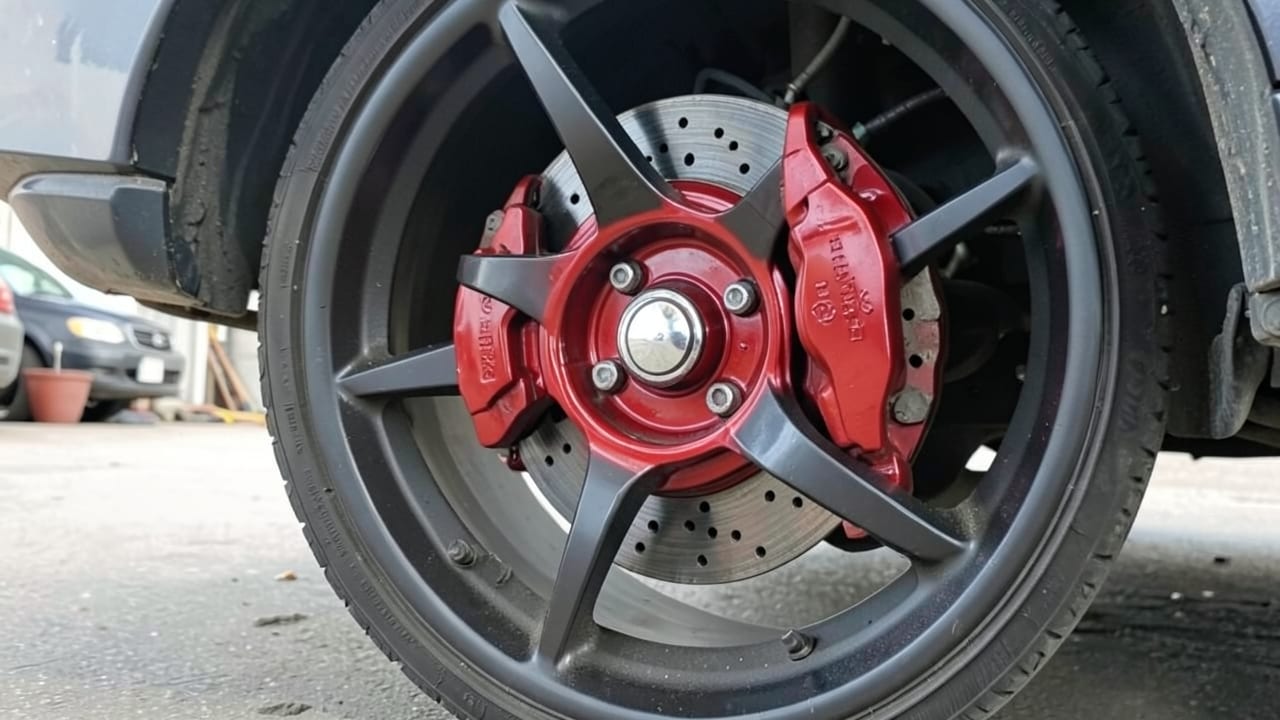
Wheel & Brake Caliper Ceramic Coating in Houston, TX
Dedicated ceramic coating for wheels and brake calipers in Houston, TX — stops brake dust and corrosive grime from bonding to the finish.
Learn More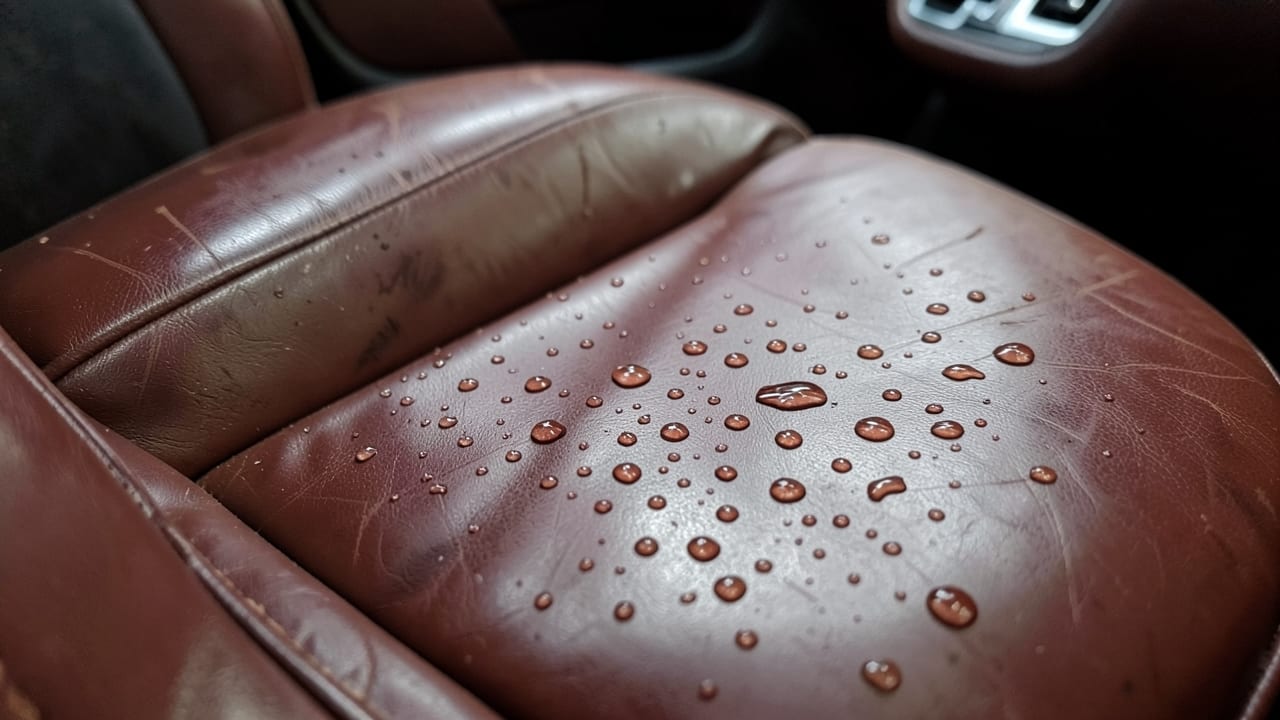
Interior Ceramic Protection in Houston, TX
Interior fabric, leather, and trim ceramic protection in Houston, TX — guards against spills, UV fading, and daily wear.
Learn More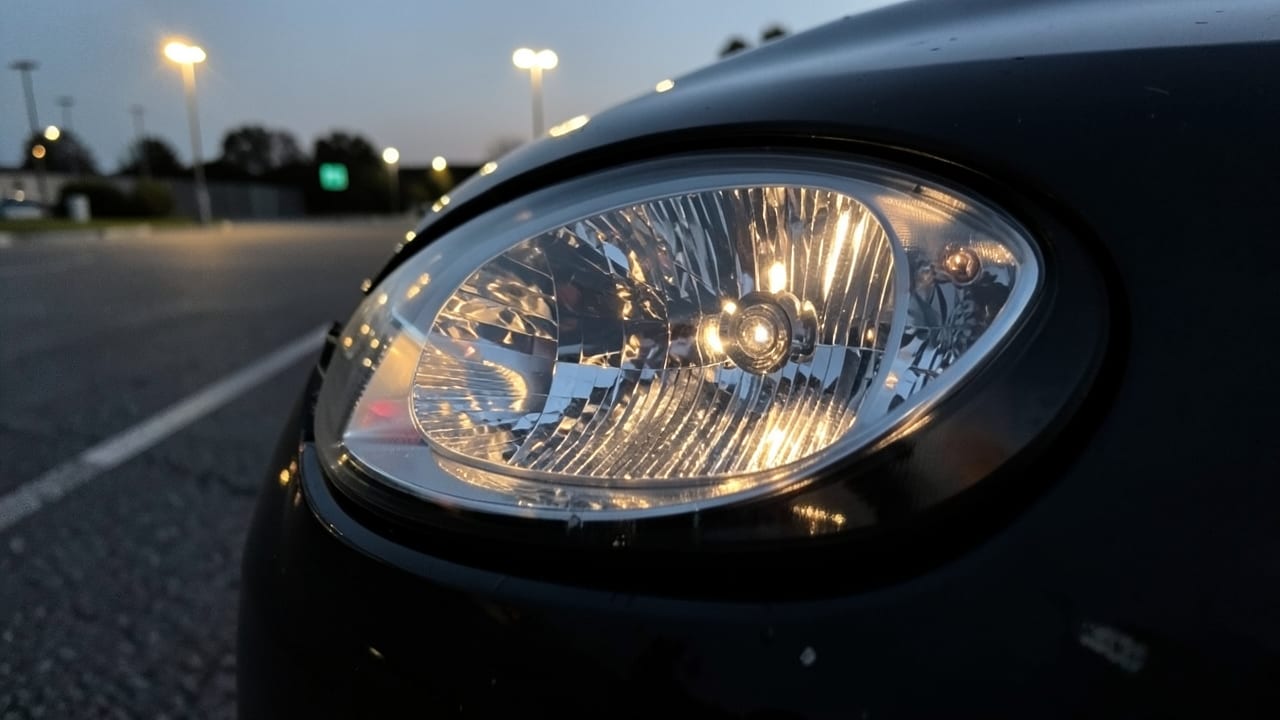
Headlight Restoration & Coating in Houston, TX
Headlight restoration and UV-protective coating in Houston, TX — restores clarity and nighttime visibility without replacing the assembly.
Learn More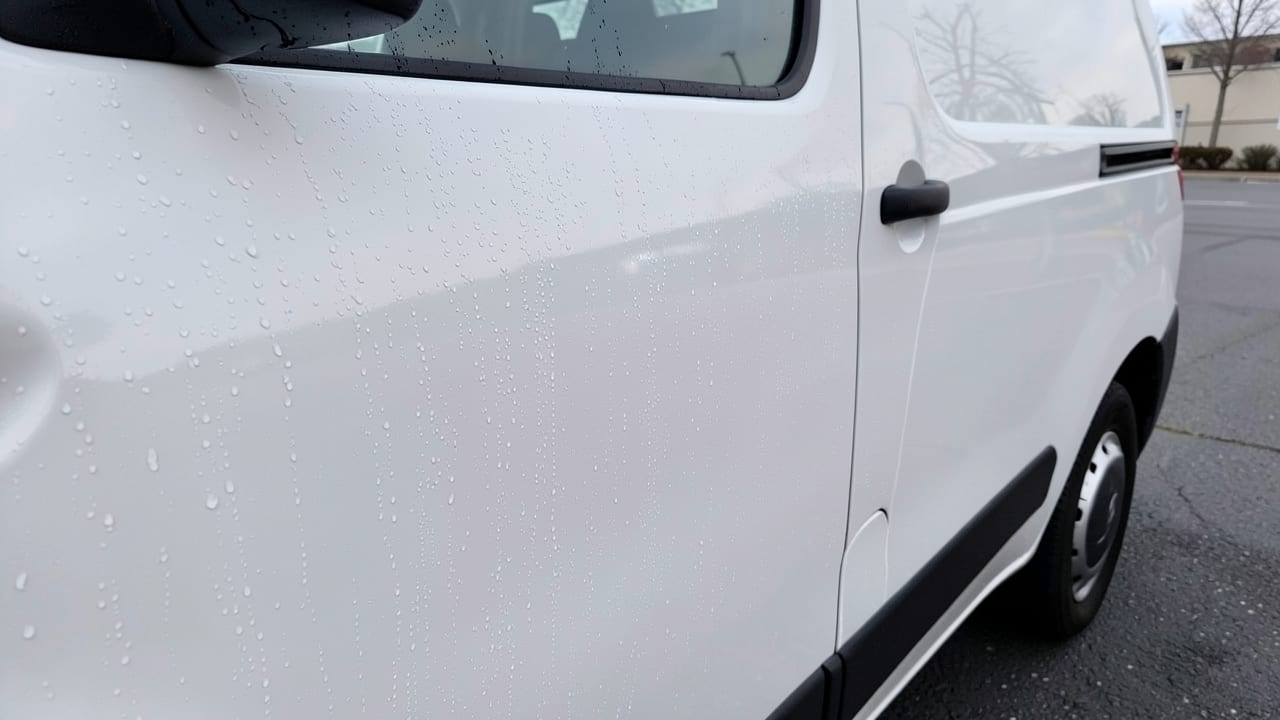
Fleet & Commercial Vehicle Coating in Houston, TX
Ceramic coating programs for fleets and commercial vehicles in Houston, TX — faster washing, longer-lasting branded wraps, and protected resale value.
Learn MoreCommon Questions About Ceramic Coating in Houston
Everything you need to know about ceramic coating services in Houston
How much does Glass Surface Hydrophobic Treatment typically cost in Houston, TX?
Does intense UV and dust in Houston, TX change coating maintenance?
Will a ceramic coating stop rock chips or scratches?
What's the actual difference between wax, paint sealant, and ceramic coating?
Can ceramic coating be applied at home instead of by a detailing shop?
How long does a ceramic coating actually last in real-world use?
Need Ceramic Coating in Houston?
Get a written quote from our Houston crew.
⏰ We answer your call • Serving all of Houston and surrounding areas