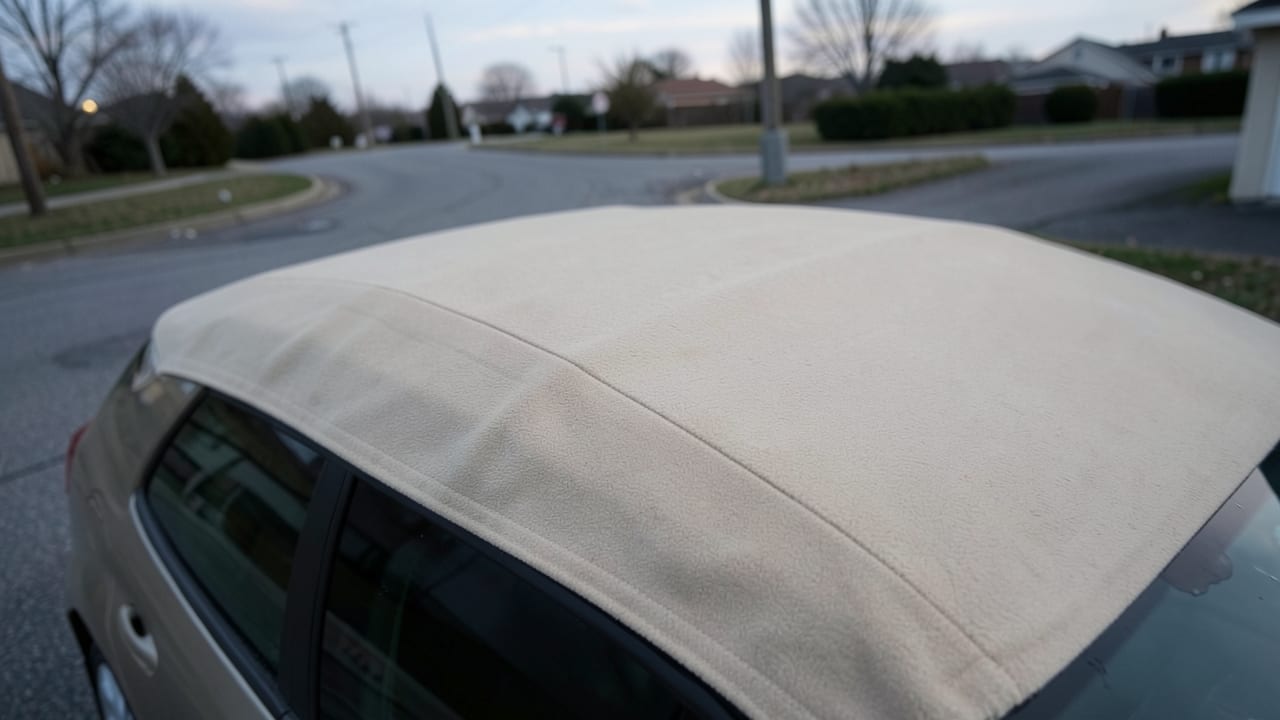
Fabric Soft Top Coating
Application of ceramic coating to protect and enhance fabric soft tops on vehicles.
Fabric Soft Top Coating in Houston, TX, applies a ceramic layer to your convertible’s fabric roof to enhance water resistance, UV protection, and stain repellency. This treatment helps maintain the roof’s appearance and extends its lifespan by shielding it from environmental wear, including Houston’s humidity and sun exposure.
The process includes thorough cleaning, decontamination, and precise application to ensure long-lasting results.
We also handle Pre-Event Showroom Gloss Enhancement and Full-Vehicle Ceramic Coating for Houston vehicles.
Why your convertible roof needs this treatment
Houston’s climate—high humidity, intense UV rays, and frequent rain—accelerates wear on fabric convertible tops. Over time, water resistance fades, stains set in, and fabric texture degrades.
A ceramic top coating creates a protective barrier that repels water, blocks UV damage, and makes spills easier to clean off, keeping your roof looking newer longer.
Unlike traditional fabric treatments, this coating bonds to the fibers, filling microscopic gaps to prevent moisture absorption. It’s especially useful for roofs that no longer bead water or show signs of fading, cracking, or mildew.
The treatment is designed to preserve the softness of the fabric while adding durability against Houston’s harsh conditions.
Signs Your Convertible Roof Needs Coating
- Water no longer beads up but spreads across the fabric instead of rolling off.
- Fabric appears dull, faded, or discolored due to sun exposure or stains.
- Mildew or mold spots develop, especially in humid or shaded areas.
- Fabric feels stiff or loses its original soft texture over time.
- Stains from bird droppings, tree sap, or road grime resist normal cleaning.
What affects the process and results
The effectiveness of the coating depends on the roof’s current condition and how well contaminants are removed before application. Fabric that’s heavily stained, moldy, or has deep cracks may require additional cleaning or repairs before coating.
The coating itself is applied in a controlled environment to ensure proper adhesion and cure, which is critical for durability.
Houston’s heat and humidity can also impact how the coating cures. Proper curing—typically 24–48 hours—is essential to avoid streaking, peeling, or uneven protection. Post-treatment care, like avoiding automatic car washes or parking in direct sun during the first few weeks, helps the coating settle correctly.
| Factor | Impact on Coating | How to Prepare |
|---|---|---|
| Fabric Condition | Heavy stains, mold, or cracks may reduce adhesion and require extra cleaning. | Clean thoroughly before coating; address mold with a fabric-safe treatment. |
| Weather During Application | High humidity or extreme heat can cause uneven curing or streaking. | Schedule application during moderate temperatures (60–85°F) and low humidity. |
| Pre-Treatment Cleaning | Skipping decontamination leaves contaminants that weaken the coating’s bond. | Use a foam wash, iron remover, and clay bar to remove embedded dirt and oils. |
| Curing Time | Exposing the vehicle to rain or washing too soon can cause water spots or peeling. | Keep the vehicle dry and shaded for 24–48 hours post-application. |
What to expect during the service
The process begins with a deep clean to remove dirt, brake dust, and road grime from the fabric. A foam wash targets the roof, while wheels and tires are cleaned separately to avoid cross-contamination. Chemical decontamination follows, using iron and tar removers to lift embedded contaminants that standard washing misses.
After decontamination, the fabric is inspected for stains or damage. If needed, a light cleaning or treatment is applied before the coating. The ceramic layer is then applied evenly, using a controlled environment to prevent dust or debris from interfering.
The vehicle is left undisturbed for the cure period to ensure the coating hardens properly.
How fabric soft top coating works
This multi-step process ensures the coating bonds properly to your convertible roof.
- 1Deep Cleaning and Decontamination
The roof undergoes a foam wash to remove surface dirt, followed by chemical treatments to strip embedded brake dust, tar, and other contaminants. A clay bar is used to physically smooth the fabric, ensuring no particles remain.
- 2Inspection and Prep
The fabric is inspected for stains, mold, or damage. Any issues are addressed with targeted cleaning or treatments before coating to prevent adhesion problems.
- 3Coating Application
The ceramic coating is applied in a dust-free environment, using even strokes to cover the entire roof. The product is designed to penetrate the fabric fibers for long-lasting protection.
- 4Curing and Care
The vehicle is kept in a controlled setting for 24–48 hours to allow the coating to cure fully. During this time, it should not be exposed to rain, washing, or direct sun to avoid compromising the finish.
- 5Post-Treatment Instructions
After curing, the roof is ready for normal use. However, avoiding automatic car washes and parking in shade during the first few weeks helps maintain the coating’s integrity.
Frequently asked questions
How long does the coating last on a convertible roof?
The lifespan of the coating depends on factors like fabric condition, exposure to Houston’s sun and humidity, and post-treatment care. Under ideal conditions, it can last 2–5 years, but reapplication may be needed sooner if the roof is heavily used or exposed to harsh elements.
Will the coating make my fabric roof feel stiff or scratchy?
A properly applied ceramic coating is designed to maintain the fabric’s soft texture while adding protection. The coating bonds to the fibers without altering the feel, though some slight firmness may be noticeable immediately after application before it settles.
Can I wash my car normally after the coating is applied?
Yes, but it’s best to wait until the full cure period (24–48 hours) is complete. Use a two-bucket wash method with a pH-neutral soap to avoid introducing fine scratches or contaminants that could weaken the coating over time.
Does the coating protect against rock chips or deep scratches?
No, the coating adds a layer of hardness to repel light swirls and stains but does not provide impact protection. Rock chips or deep scratches will still occur, though the coating may make them easier to clean up before they set in.
Where Houston sits, and what the Census lists nearby
Houston sits in Texas, and the closest places listed in the U.S. Census Gazetteer are West University Place (5.5 miles southwest), Hilshire Village (6 miles west), Southside Place (6 miles southwest), Hunters Creek Village (6.6 miles west).
Within 25 miles of Houston the same source lists 48 distinct incorporated places and census-designated places.
Those figures matter for fabric soft top coating because they are straight-line distances between Census coordinate points: road mileage between Houston and West University Place runs longer than the 5.5 miles shown, which is why quotes for the same job differ between towns that look close together on a map.
Source: U.S. Census Bureau Gazetteer.
See Jersey Village, TX for more, or explore our full Houston-area coverage for our complete lineup.
Ready to get started?
Talk to a local ceramic coating pro in Houston — get a written quote.
Other Ceramic Coating Services in Houston
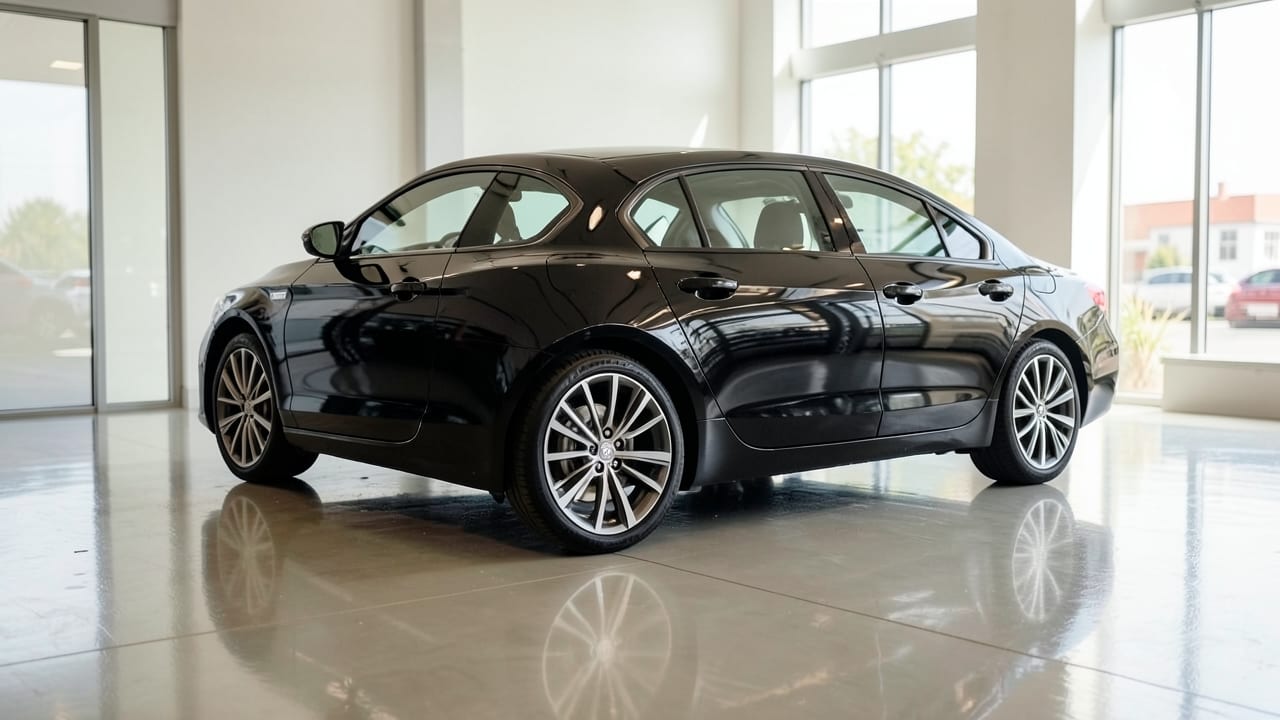
Pre-Event Showroom Gloss Enhancement in Houston, TX
Professional ceramic coating application to enhance vehicle paint gloss before events.
Learn More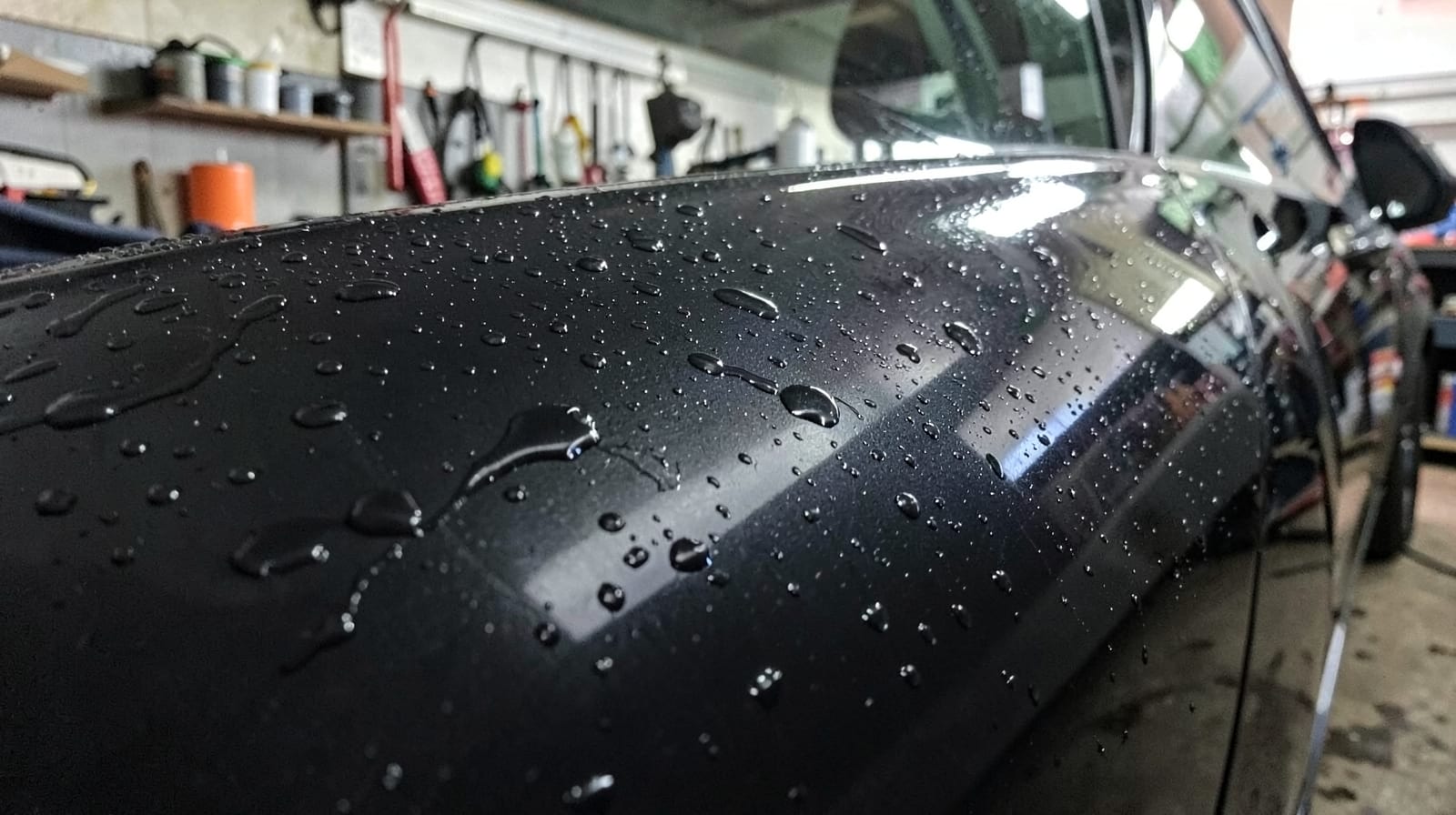
Full-Vehicle Ceramic Coating in Houston, TX
Professional nano-ceramic coating for vehicles in Houston, TX — a hard, semi-permanent SiO2 layer for deep gloss, strong hydrophobic protection, and easier washing.
Learn More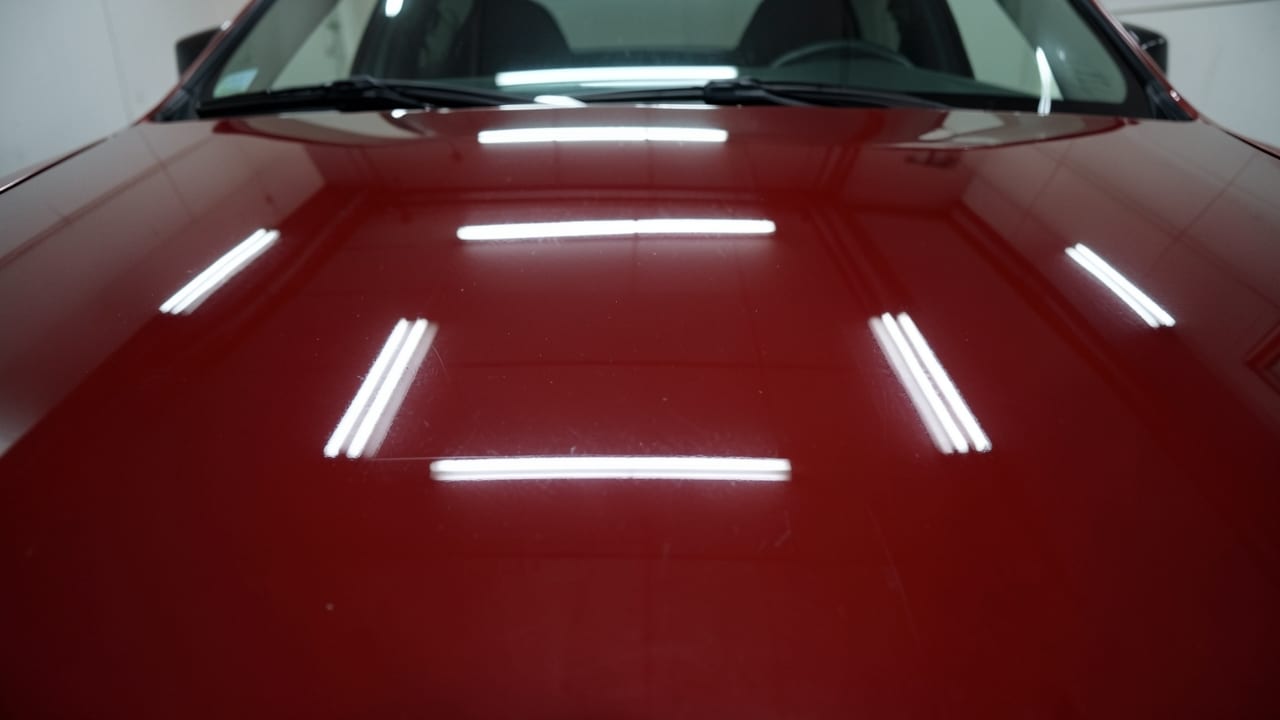
Paint Correction & Polishing in Houston, TX
Machine paint correction and polishing in Houston, TX — removes swirl marks, oxidation, and water spots, and is the mandatory first step before any ceramic coating.
Learn More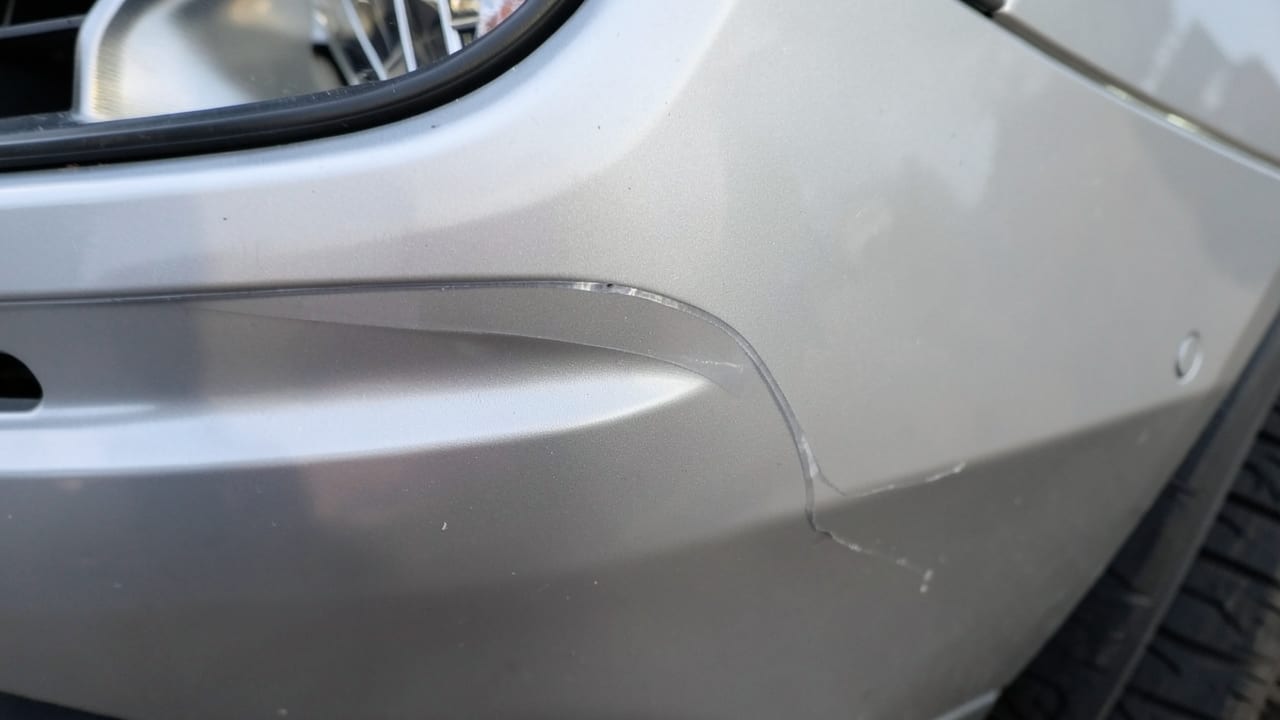
Paint Protection Film (PPF) Installation in Houston, TX
Self-healing clear PPF installation in Houston, TX for high-impact panels or a full-body wrap — real physical protection against rock chips and road debris.
Learn More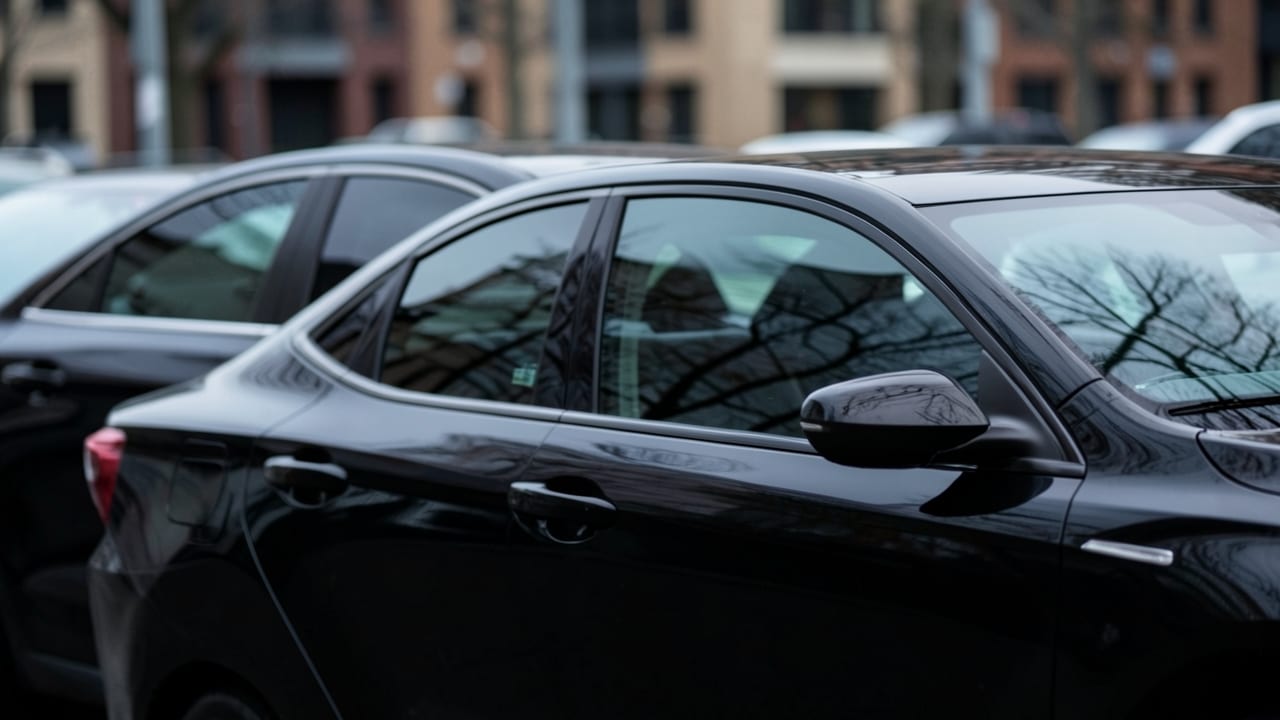
Ceramic Window Tint in Houston, TX
Nano-ceramic window tint in Houston, TX — rejects heat and blocks 99% of UV without the signal interference or fading of cheaper films.
Learn More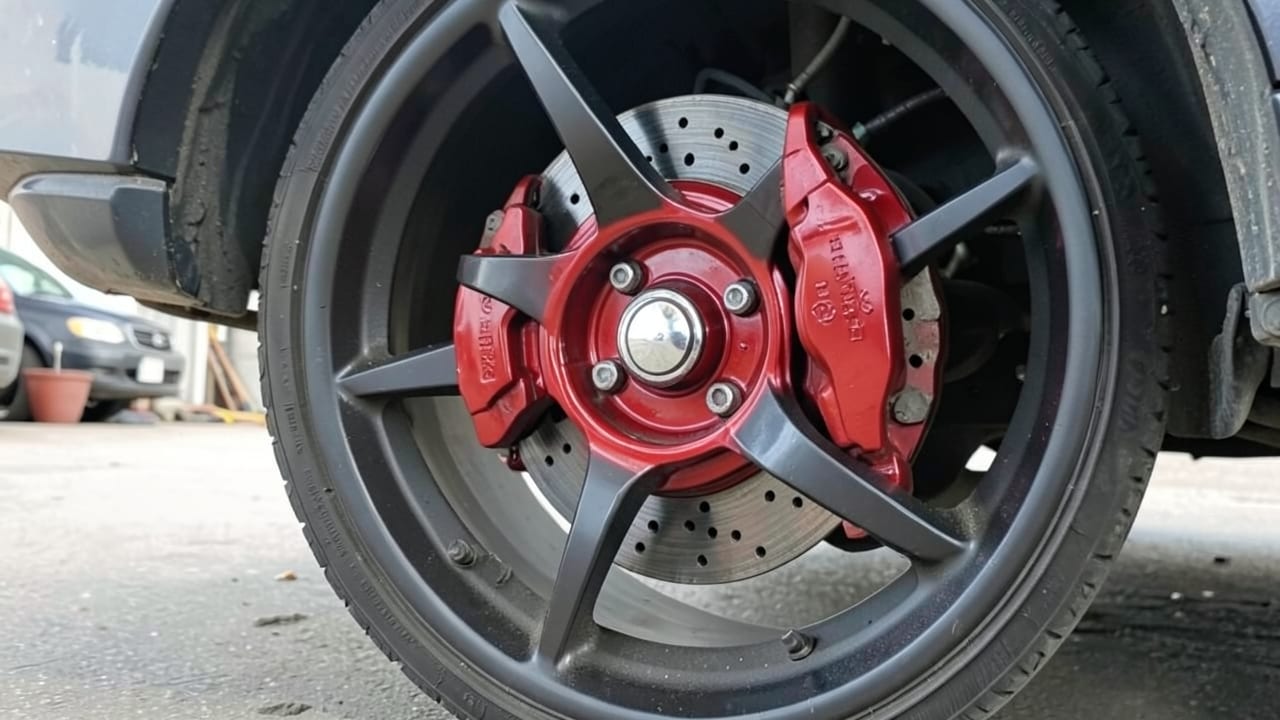
Wheel & Brake Caliper Ceramic Coating in Houston, TX
Dedicated ceramic coating for wheels and brake calipers in Houston, TX — stops brake dust and corrosive grime from bonding to the finish.
Learn MoreCommon Questions About Ceramic Coating in Houston
Everything you need to know about ceramic coating services in Houston
How much does Fabric Soft Top Coating typically cost in Houston, TX?
Does intense UV and dust in Houston, TX change coating maintenance?
Does a ceramic coating need to be topped up over time?
Can a ceramic coating be applied over existing swirl marks or light scratches?
Is ceramic coating ever covered by comprehensive auto insurance?
Can ceramic coating be applied over a vinyl wrap or matte paint?
Need Ceramic Coating in Houston?
Get a written quote from our Houston crew.
⏰ We answer your call • Serving all of Houston and surrounding areas