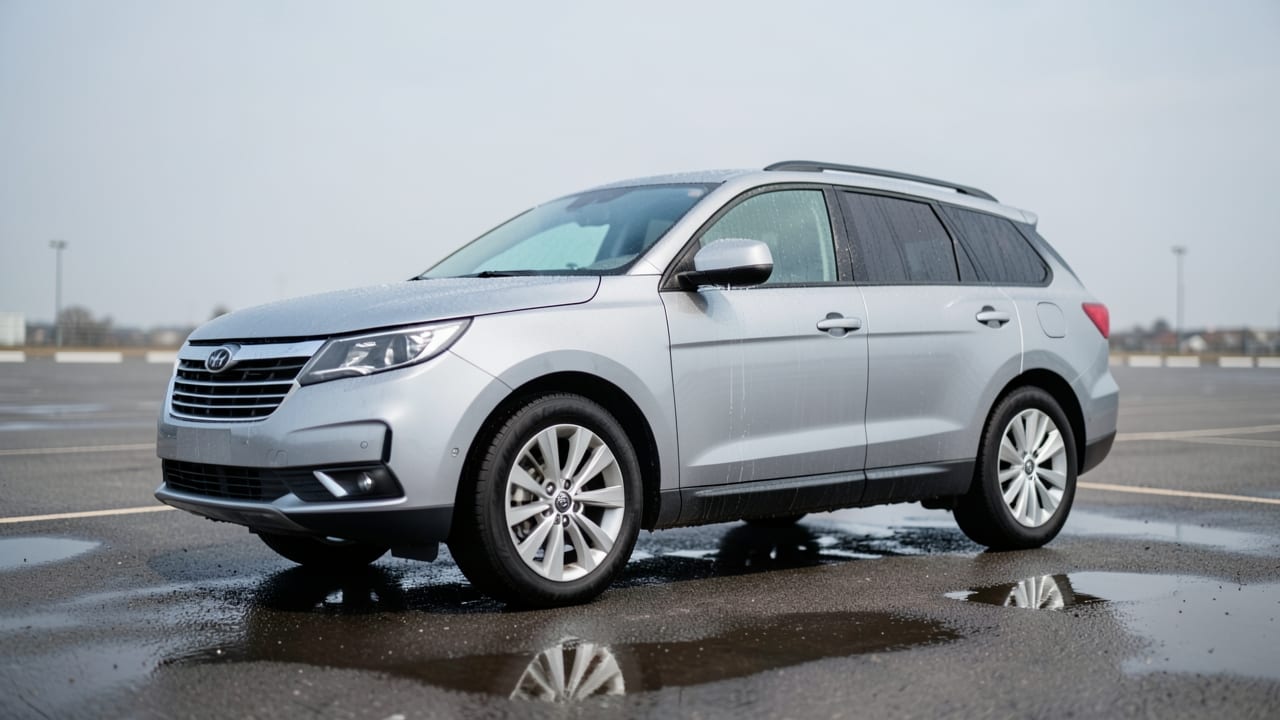
Annual Ceramic Maintenance Wash
Professional cleaning and reapplication of ceramic coatings to preserve paint protection.
In Houston’s humid climate and heavy traffic, ceramic coatings on vehicles lose their hydrophobic properties over time due to road grime, UV exposure, and mineral deposits.
An Annual Ceramic Maintenance Wash restores the coating’s gloss, water-beading ability, and protection against environmental damage through decontamination, gentle cleaning, and targeted reapplication of protective layers. This service is tailored for private vehicle owners in Houston, Pasadena, Sugar Land, and surrounding areas to maintain long-term coating performance.
We also handle Convertible Top Protection and Motorcycle Ceramic Coating for Houston vehicles.
Why Houston’s climate demands regular maintenance
Houston’s high humidity, frequent rain, and airborne contaminants like industrial fallout accelerate the breakdown of ceramic coatings. Unlike standard paint, coatings rely on a slick, hydrophobic layer to repel water and debris. Over time, this layer wears thin, leading to reduced water beading and a duller finish.
Without periodic maintenance, even the toughest coatings can lose effectiveness within 1–2 years, especially in areas with heavy traffic or exposure to road salts.
The key difference between a maintenance wash and a standard car wash is the focus on preserving the coating’s integrity. Traditional soaps, brushes, or air-drying methods can introduce fine scratches or mineral deposits that compromise the coating’s performance.
A maintenance wash uses pH-neutral products, microfiber tools, and a controlled drying process to extend the coating’s lifespan while keeping it visually sharp.
Signs Your Coating Needs Maintenance
- Water no longer beads into tight, rolling droplets but instead sheets across the panel or spreads wider than before.
- Bug splatter, tree sap, or road grime requires scrubbing to remove instead of rinsing off with water.
- The paint feels less slick to the touch—more like bare paint than a freshly coated surface.
- Panels reflect light less crisply, with a slight dullness that isn’t caused by a single scratch or imperfection.
What affects your maintenance schedule and results
The frequency of your maintenance wash depends on how quickly contaminants build up on your coating. In Houston, vehicles exposed to heavy traffic, industrial areas, or frequent rain may need maintenance every 3–4 months, while those in less polluted areas can stretch it to 6 months.
Skipping the recommended interval allows grit and bonded contaminants to embed deeper, making them harder to remove without risking fine scratches during cleaning.
The type of ceramic coating also plays a role. Single-layer coatings (often SiO2-based) may require more frequent maintenance than multi-layer or graphene-enhanced coatings, which offer longer-lasting hydrophobic properties. However, even the most durable coatings benefit from regular upkeep to prevent gradual degradation from UV exposure and chemical etching.
| Factor | Impact on Maintenance Needs | Houston-Specific Example |
|---|---|---|
| Traffic Exposure | Higher contamination buildup from road grime and industrial fallout. | Vehicles near the Ship Channel or I-10 corridor may need maintenance every 3–4 months. |
| Climate Conditions | Humidity and rain accelerate mineral deposits and chemical breakdown. | Coastal areas like League City or Galena Park see faster wear than drier inland zones. |
| Coating Type | Single-layer coatings degrade faster than multi-layer or graphene-based tiers. | A 3-year ceramic may last 4–5 years with maintenance, while a 5-year tier could extend to 6–7 years. |
| Wash Method | Using pH-neutral soap and microfiber tools preserves the coating longer than alkaline soaps or brush washes. | Avoiding automatic tunnel washes reduces fine scratches that shorten coating lifespan. |
Common mistakes that shorten coating lifespan
Many vehicle owners unknowingly accelerate coating wear by using the wrong products or methods. High-alkaline or wax-stripping soaps, for example, gradually break down the coating’s surface chemistry with every wash.
Similarly, letting water air-dry on a coated surface allows mineral deposits to bake onto the finish, creating visible spotting that dulls the gloss over time. Even well-intentioned practices like stretching wash intervals too long can lead to embedded contaminants that require aggressive cleaning—risking scratches.
Another overlooked issue is the curing window after a new coating is applied. Washing or exposing the vehicle to harsh elements (like Houston’s UV or salt spray) too soon can prevent the coating from fully bonding.
Always follow the manufacturer’s curing guidelines, which typically range from 7–14 days for most ceramics, to ensure the protective layers harden correctly.
Using automatic tunnel washes with spinning brushes introduces fine scratches from grit picked up during the wash cycle. Air-drying after rain or washing leaves mineral spots that dull the finish. Skipping decontamination steps (like clay bar or iron remover) during maintenance allows bonded contaminants to weaken the coating’s adhesion over time.
How an annual ceramic maintenance wash works
- 1Decontamination
The vehicle undergoes a two-step cleaning process to remove bonded contaminants. First, a light clay bar or chemical decontamination pass lifts embedded rail dust, industrial fallout, and tar spots that a standard wash misses. This step ensures the coating’s surface remains smooth and free of microscopic imperfections.
- 2Gentle Cleaning
A pH-neutral wash soap formulated for coated surfaces is used with a two-bucket method—one bucket for soapy water, another for rinsing the mitt—to prevent grit redeposition. Microfiber mitts and drying aids are used to avoid scratches, and the vehicle is rinsed thoroughly to remove all soap residue.
- 3Drying and Inspection
The vehicle is dried with clean microfiber towels or a drying aid to prevent water spots. A technician inspects the surface for remaining contaminants or areas where the coating may be thinning, noting any changes in water beading or gloss uniformity.
- 4Protective Topper Application
A spray sealant or coating booster is applied to refresh the hydrophobic layer between full maintenance intervals. This step restores water-beading properties and adds a thin, temporary protective barrier without requiring a full decontamination and cure cycle.
- 5Final Review
The vehicle is reviewed under controlled lighting to check for even gloss, consistent water beading, and absence of contaminants. Owners are advised on adjusting their wash interval based on local conditions (e.g., shortening it after heavy rain or prolonged exposure to industrial areas).
Frequently asked questions
How do I know if my ceramic coating needs maintenance before it’s too late?
Watch for three key signs: water no longer beads into tight droplets but spreads or sheets across the panel, road grime requires scrubbing instead of rinsing off, or the paint feels less slick to the touch. These indicate the hydrophobic layer is wearing thin. In Houston’s climate, these changes often appear within 12–18 months of installation if maintenance is skipped.
Can I perform a maintenance wash at home, or should I use a professional?
While you can use pH-neutral soap and microfiber tools, professional maintenance includes decontamination steps (clay bar, iron remover) and targeted topping applications that are harder to replicate at home. Professionals also use controlled drying methods to prevent mineral spotting, which is especially critical in Houston’s humid, mineral-rich water.
Will this service restore my coating to ‘like-new’ condition?
Maintenance refreshes the hydrophobic layer and removes surface contaminants, but it cannot reverse deep chemical etching or physical damage (like swirls or scratches) embedded in the coating. Results depend on the coating’s original condition—well-maintained coatings may regain 80–90% of their original gloss and water-beading, while neglected ones improve but may still show signs of wear.
How does Houston’s humidity affect my coating compared to drier areas?
Houston’s high humidity accelerates mineral deposition from rainwater and chemical breakdown from airborne contaminants. Coatings in drier climates may last longer between maintenance washes, but Houston’s conditions often require more frequent decontamination (every 3–6 months) to prevent embedded grime from dulling the finish or causing fine scratches during cleaning.
Where Houston sits, and what the Census lists nearby
Houston sits in Texas, and the closest places listed in the U.S. Census Gazetteer are West University Place (5.5 miles southwest), Hilshire Village (6 miles west), Southside Place (6 miles southwest), Hunters Creek Village (6.6 miles west).
Within 25 miles of Houston the same source lists 48 distinct incorporated places and census-designated places.
Those figures matter for annual ceramic maintenance wash because they are straight-line distances between Census coordinate points: road mileage between Houston and West University Place runs longer than the 5.5 miles shown, which is why quotes for the same job differ between towns that look close together on a map.
Source: U.S. Census Bureau Gazetteer.
See Humble, TX for more, or discover everything Houston vehicle owners can book with us by neighborhood for our complete lineup.
Ready to get started?
Talk to a local ceramic coating pro in Houston — get a written quote.
Other Ceramic Coating Services in Houston
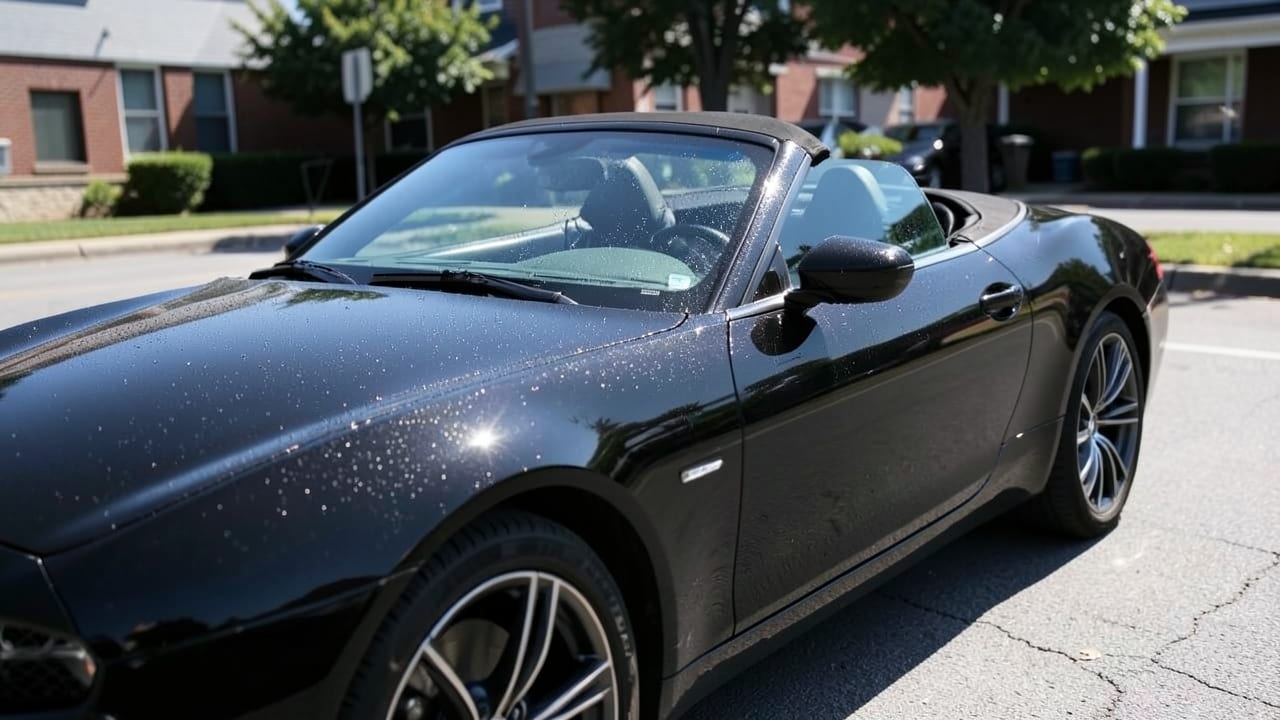
Convertible Top Protection in Houston, TX
Ceramic coating and protective treatments applied to convertible tops for durability and UV resistance.
Learn More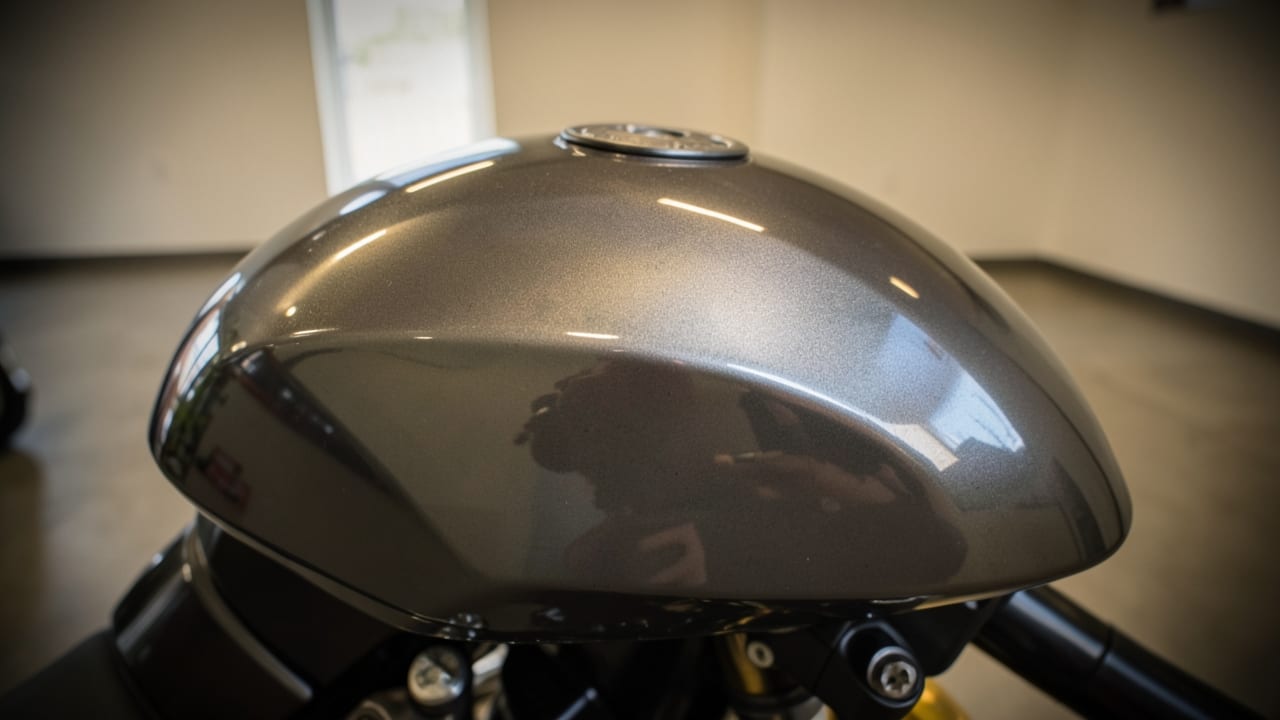
Motorcycle Ceramic Coating in Houston, TX
Professional application of ceramic coating to protect motorcycle paint and surfaces from damage.
Learn More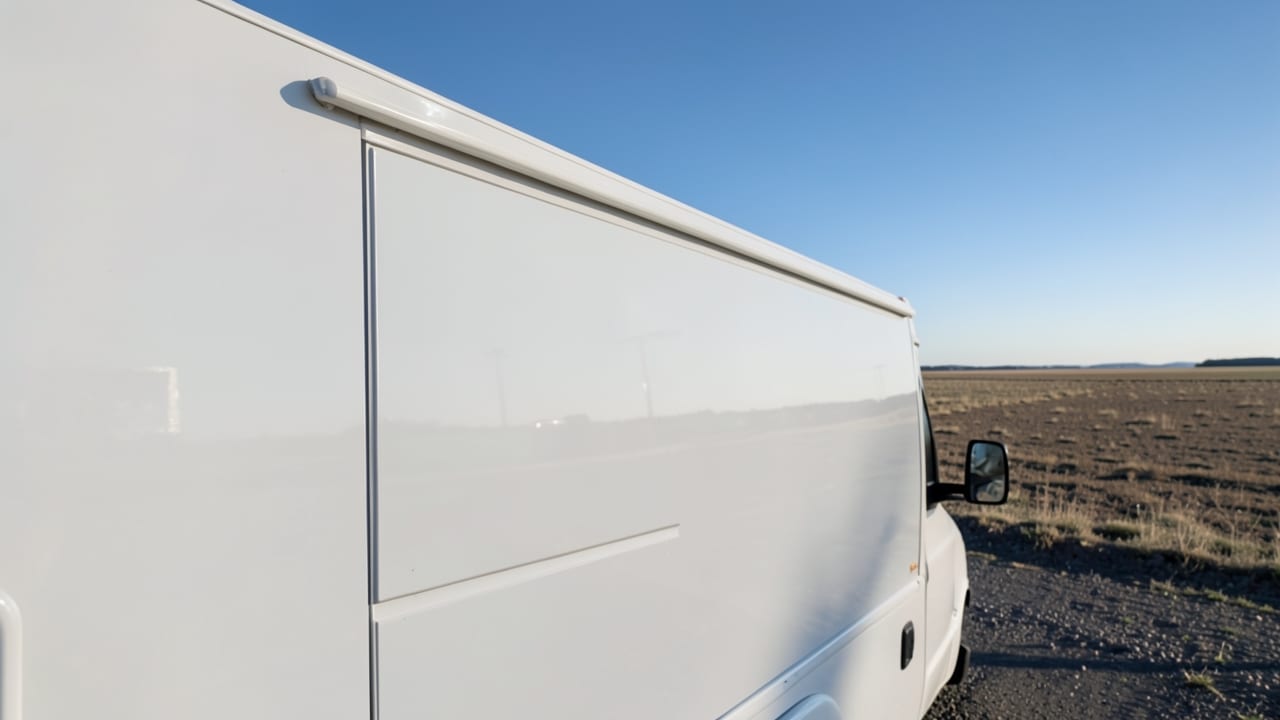
RV Paint Protection in Houston, TX
Ceramic coatings and protective sealants applied to RV exteriors to shield paint from UV, dirt, and scratches.
Learn More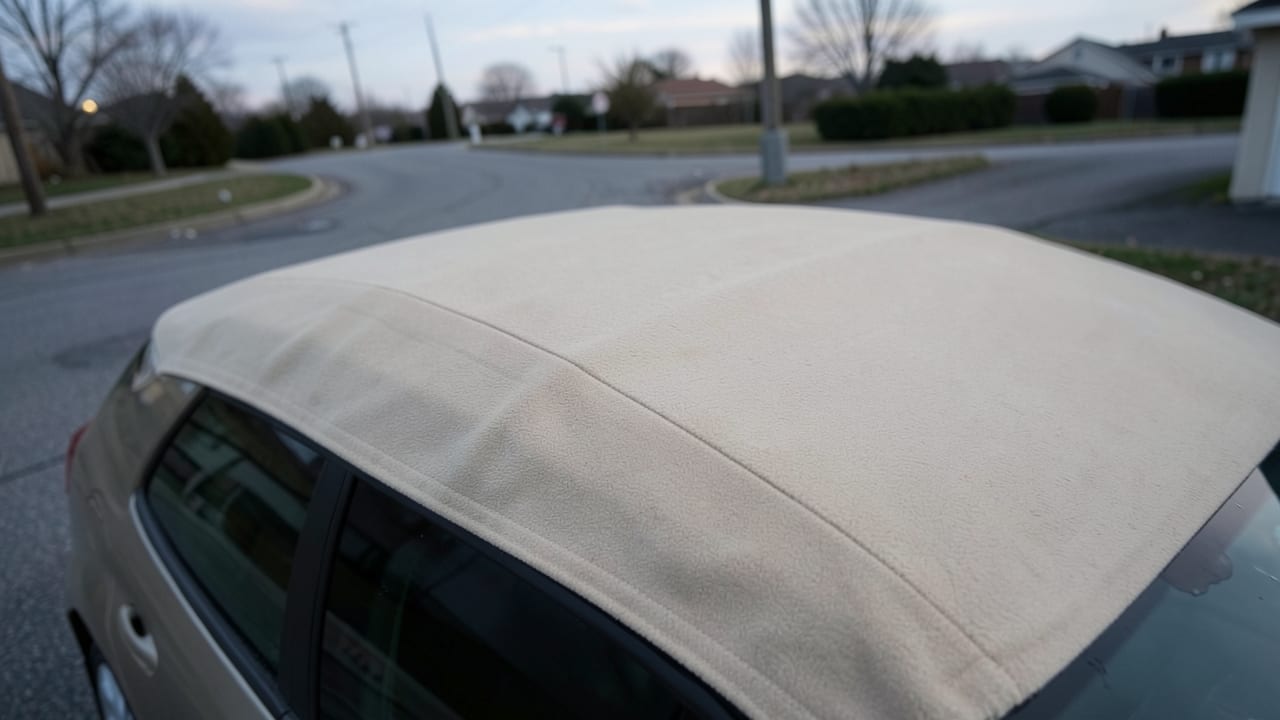
Fabric Soft Top Coating in Houston, TX
Application of ceramic coating to protect and enhance fabric soft tops on vehicles.
Learn More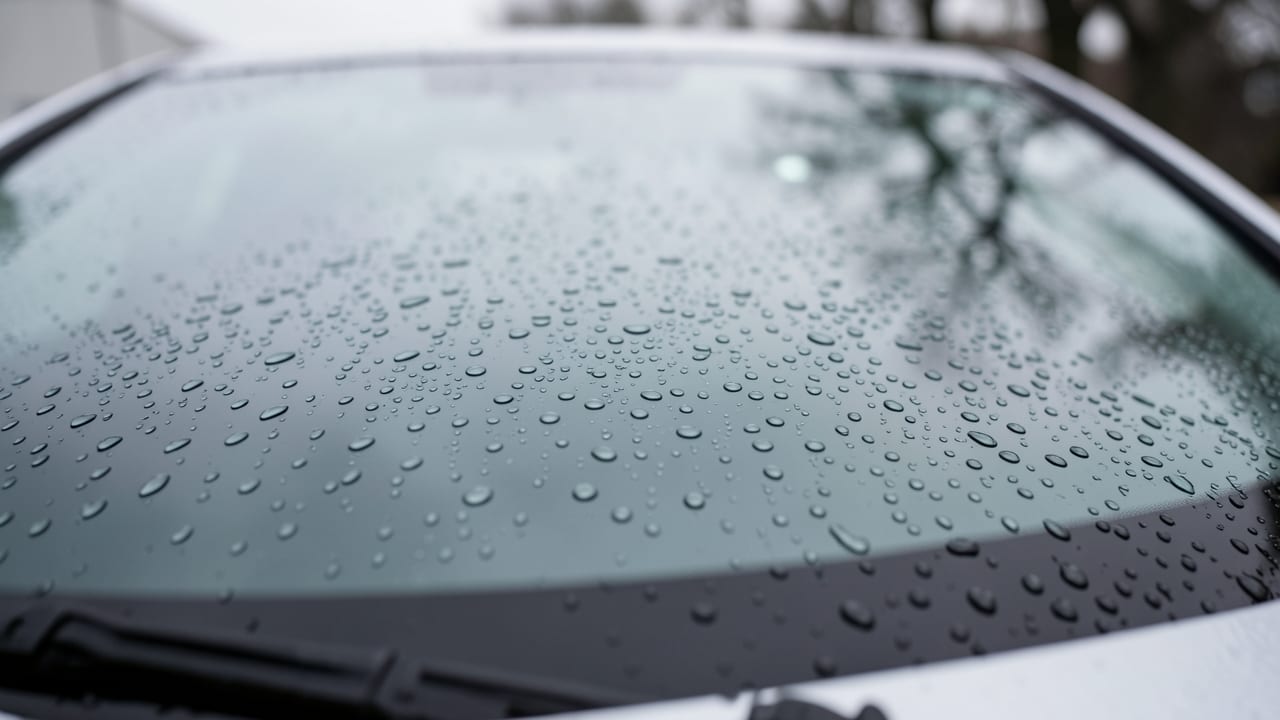
Glass Surface Hydrophobic Treatment in Houston, TX
Applying a ceramic coating to glass surfaces for water repellency and easier cleaning.
Learn More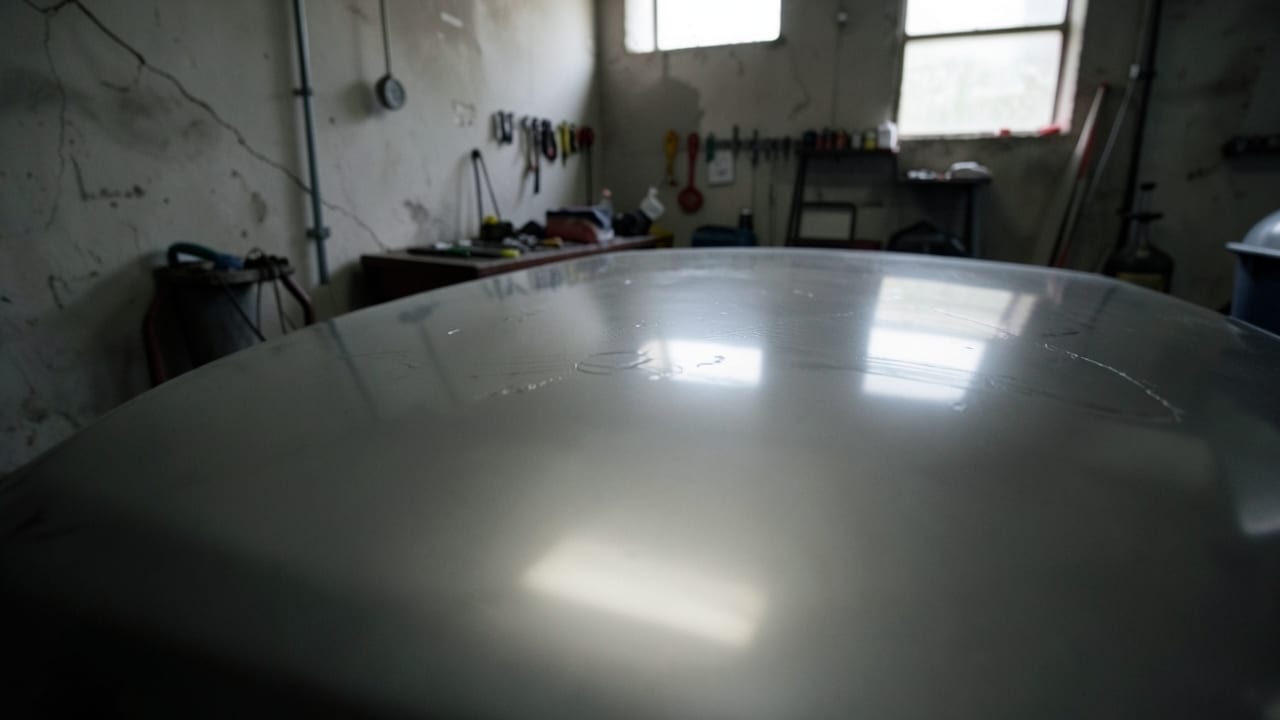
Acid Rain Etch Removal in Houston, TX
Professional removal of acid rain etching from vehicle surfaces using ceramic coatings and paint correction.
Learn MoreCommon Questions About Ceramic Coating in Houston
Everything you need to know about ceramic coating services in Houston
How much does Annual Ceramic Maintenance Wash typically cost in Houston, TX?
Does intense UV and dust in Houston, TX change coating maintenance?
What's the actual difference between wax, paint sealant, and ceramic coating?
Can ceramic coating be applied at home instead of by a detailing shop?
How long does a ceramic coating actually last in real-world use?
What is the difference between graphene and SiO2 ceramic coatings?
Need Ceramic Coating in Houston?
Get a written quote from our Houston crew.
⏰ We answer your call • Serving all of Houston and surrounding areas